Wound With Yellow Discharge - This type of wound drainage is a. It’s slightly thicker than water. It’s the fluid that makes your bandage look and feel wet. Serosanguineous drainage is the normal discharge of fluid from a wound or incision site after surgery. This usually appears as a thin, often slightly yellow fluid that’s mostly water,. These factors will guide the nurse in determining whether the. Purulent discharge, which is a thick, white, yellow, or brown fluid coming from the wound, is a sign of infection and should not be ignored. When examining wound drainage, several factors should be considered, including the color, consistency, amount, and odor. Wound drainage may be caused by surgery,. Serous drainage is a clear to yellow fluid that leaks out of a wound.
Wound drainage may be caused by surgery,. Purulent discharge, which is a thick, white, yellow, or brown fluid coming from the wound, is a sign of infection and should not be ignored. Serosanguineous drainage is the normal discharge of fluid from a wound or incision site after surgery. This type of wound drainage is a. The type and amount of drainage are key indicators of wound severity, as well as if your wound is infected or in the healing process. When examining wound drainage, several factors should be considered, including the color, consistency, amount, and odor. These factors will guide the nurse in determining whether the. This usually appears as a thin, often slightly yellow fluid that’s mostly water,. It’s slightly thicker than water. It’s the fluid that makes your bandage look and feel wet.
This type of wound drainage is a. The type and amount of drainage are key indicators of wound severity, as well as if your wound is infected or in the healing process. Serous drainage is a clear to yellow fluid that leaks out of a wound. When examining wound drainage, several factors should be considered, including the color, consistency, amount, and odor. Serosanguineous drainage is the normal discharge of fluid from a wound or incision site after surgery. Wound drainage may be caused by surgery,. It’s slightly thicker than water. It’s the fluid that makes your bandage look and feel wet. These factors will guide the nurse in determining whether the. Purulent discharge, which is a thick, white, yellow, or brown fluid coming from the wound, is a sign of infection and should not be ignored.
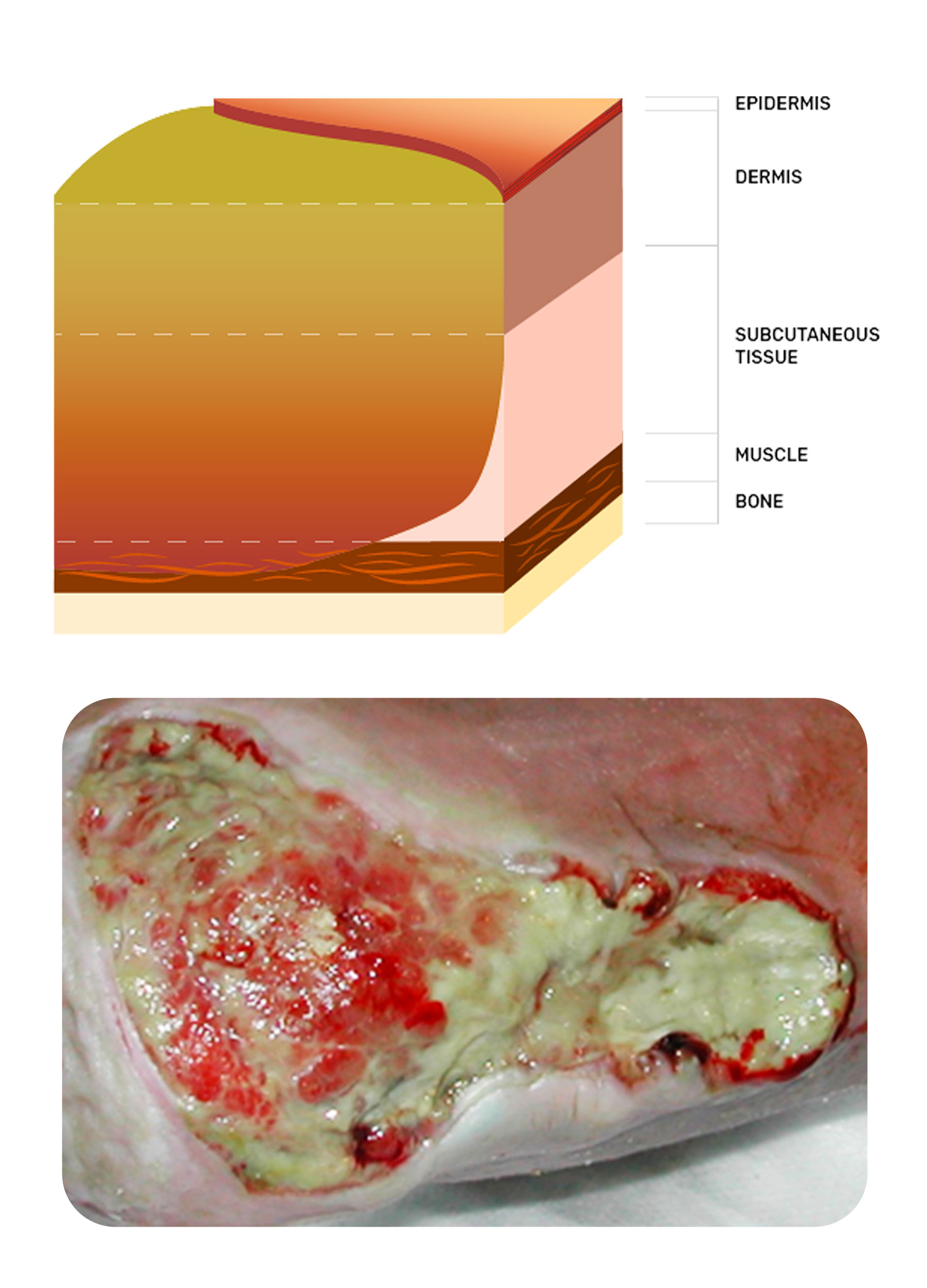
Wound Care A Guide to Practice for Healthcare Professionals
These factors will guide the nurse in determining whether the. Wound drainage may be caused by surgery,. It’s the fluid that makes your bandage look and feel wet. When examining wound drainage, several factors should be considered, including the color, consistency, amount, and odor. This type of wound drainage is a.

My wound started turning yellow does this mean it’s infected? r/woundcare
Wound drainage may be caused by surgery,. Serosanguineous drainage is the normal discharge of fluid from a wound or incision site after surgery. Serous drainage is a clear to yellow fluid that leaks out of a wound. This type of wound drainage is a. It’s slightly thicker than water.
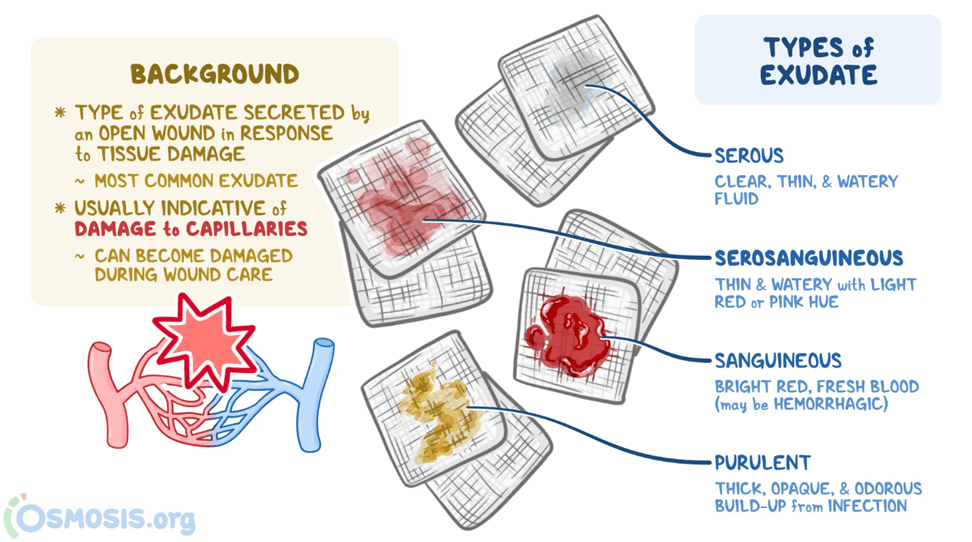
Exudate Definition and Examples Biology Online Dictionary
It’s the fluid that makes your bandage look and feel wet. Serosanguineous drainage is the normal discharge of fluid from a wound or incision site after surgery. The type and amount of drainage are key indicators of wound severity, as well as if your wound is infected or in the healing process. Serous drainage is a clear to yellow fluid.
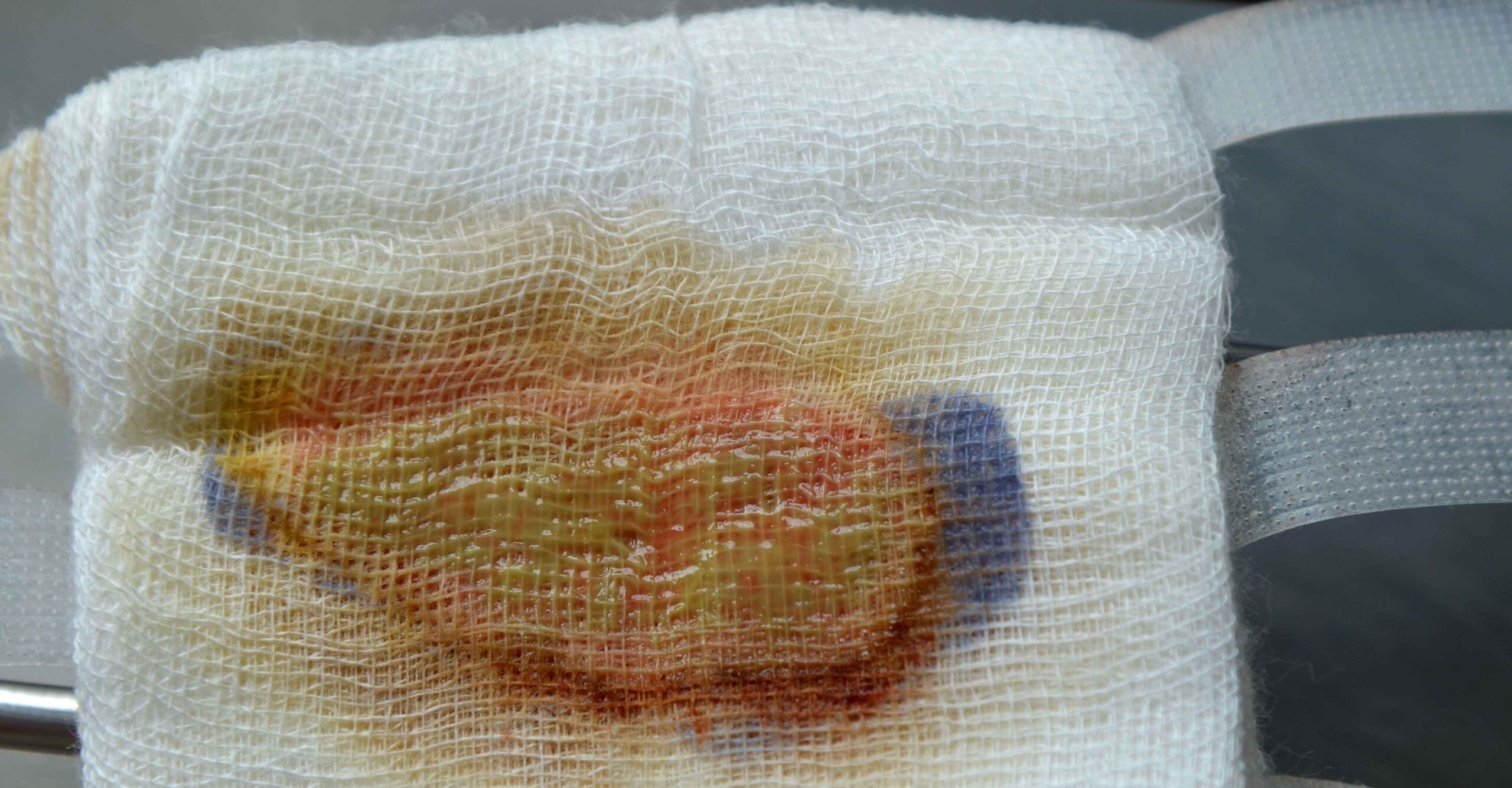
Wound Drainage Assessment
Serosanguineous drainage is the normal discharge of fluid from a wound or incision site after surgery. These factors will guide the nurse in determining whether the. Purulent discharge, which is a thick, white, yellow, or brown fluid coming from the wound, is a sign of infection and should not be ignored. The type and amount of drainage are key indicators.

WOUND DRAINAGE! 1) Serous Clear, watery plasma 2) Purulent Thick
The type and amount of drainage are key indicators of wound severity, as well as if your wound is infected or in the healing process. These factors will guide the nurse in determining whether the. This type of wound drainage is a. It’s slightly thicker than water. Wound drainage may be caused by surgery,.

Can a wound heal with pus in it?
These factors will guide the nurse in determining whether the. It’s the fluid that makes your bandage look and feel wet. Wound drainage may be caused by surgery,. Purulent discharge, which is a thick, white, yellow, or brown fluid coming from the wound, is a sign of infection and should not be ignored. This type of wound drainage is a.
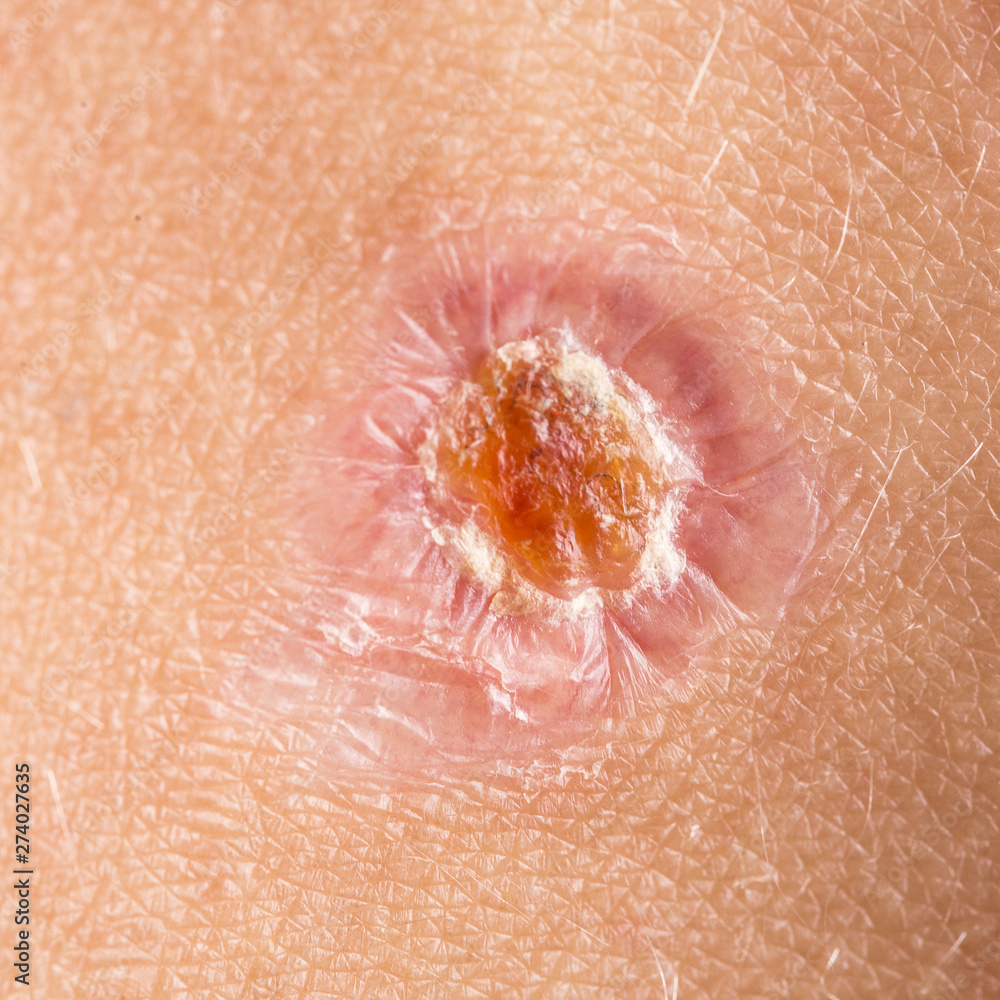
A closeup view of a small skin wound during the healing process, yellow
Serosanguineous drainage is the normal discharge of fluid from a wound or incision site after surgery. Serous drainage is a clear to yellow fluid that leaks out of a wound. The type and amount of drainage are key indicators of wound severity, as well as if your wound is infected or in the healing process. This usually appears as a.

Figure 1 from Wound Healing and the Role of Biomarkers and Biofilms
Serosanguineous drainage is the normal discharge of fluid from a wound or incision site after surgery. Purulent discharge, which is a thick, white, yellow, or brown fluid coming from the wound, is a sign of infection and should not be ignored. Wound drainage may be caused by surgery,. When examining wound drainage, several factors should be considered, including the color,.
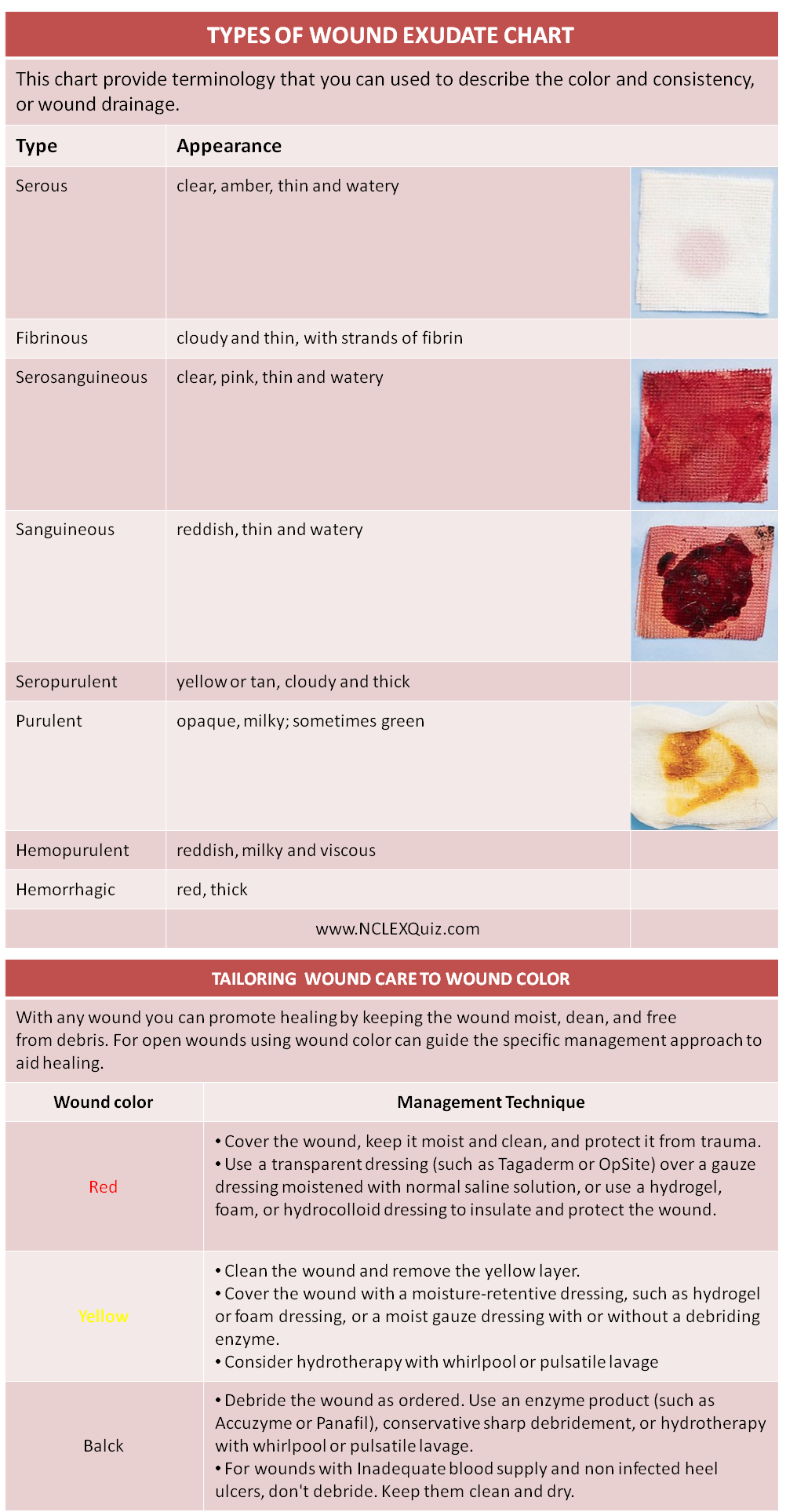
Types of Wound Exudate Cheat Sheet NCLEX Quiz
These factors will guide the nurse in determining whether the. Purulent discharge, which is a thick, white, yellow, or brown fluid coming from the wound, is a sign of infection and should not be ignored. It’s the fluid that makes your bandage look and feel wet. Wound drainage may be caused by surgery,. When examining wound drainage, several factors should.
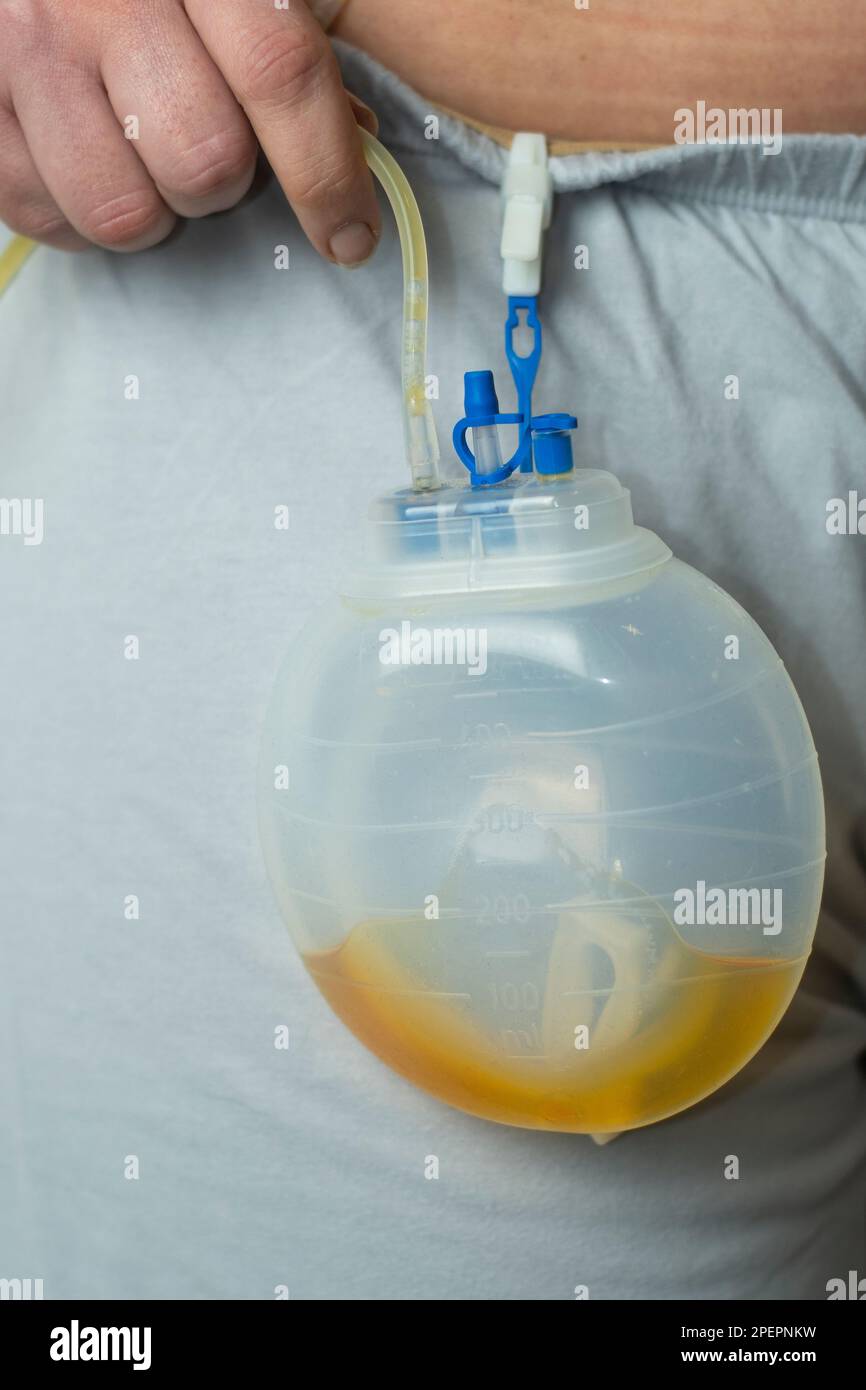
What Is Yellow Drainage From Wound at Mildred Lesley blog
This type of wound drainage is a. It’s slightly thicker than water. These factors will guide the nurse in determining whether the. The type and amount of drainage are key indicators of wound severity, as well as if your wound is infected or in the healing process. It’s the fluid that makes your bandage look and feel wet.
This Usually Appears As A Thin, Often Slightly Yellow Fluid That’s Mostly Water,.
Purulent discharge, which is a thick, white, yellow, or brown fluid coming from the wound, is a sign of infection and should not be ignored. It’s slightly thicker than water. Serosanguineous drainage is the normal discharge of fluid from a wound or incision site after surgery. This type of wound drainage is a.
When Examining Wound Drainage, Several Factors Should Be Considered, Including The Color, Consistency, Amount, And Odor.
The type and amount of drainage are key indicators of wound severity, as well as if your wound is infected or in the healing process. These factors will guide the nurse in determining whether the. Wound drainage may be caused by surgery,. Serous drainage is a clear to yellow fluid that leaks out of a wound.