What Does Discharge Mean In A Criminal Case - A discharge generally means that. In terms of getting a statement of factual innocence a discharge is probably better than a dismissal. It means that you finished what probation required you to do. Discharge is normally used in criminal cases, while dismissal applies more to civil law proceedings. Discharge, within the realm of criminal justice, means releasing an individual from custody, detention, or supervision. With a dismissal the da has. Discharge in criminal law refers to a legal outcome where a defendant is found guilty of an offense but is not subject to a traditional. The arrest and guilty plea (if there was one) will still be on your record.
In terms of getting a statement of factual innocence a discharge is probably better than a dismissal. A discharge generally means that. Discharge, within the realm of criminal justice, means releasing an individual from custody, detention, or supervision. Discharge in criminal law refers to a legal outcome where a defendant is found guilty of an offense but is not subject to a traditional. It means that you finished what probation required you to do. The arrest and guilty plea (if there was one) will still be on your record. Discharge is normally used in criminal cases, while dismissal applies more to civil law proceedings. With a dismissal the da has.
With a dismissal the da has. It means that you finished what probation required you to do. The arrest and guilty plea (if there was one) will still be on your record. Discharge, within the realm of criminal justice, means releasing an individual from custody, detention, or supervision. A discharge generally means that. Discharge is normally used in criminal cases, while dismissal applies more to civil law proceedings. Discharge in criminal law refers to a legal outcome where a defendant is found guilty of an offense but is not subject to a traditional. In terms of getting a statement of factual innocence a discharge is probably better than a dismissal.

DISCHARGE OF ACCUSED VARIOUS PROVISION REGARDING DISCHARGE OF ACCUSED
The arrest and guilty plea (if there was one) will still be on your record. Discharge is normally used in criminal cases, while dismissal applies more to civil law proceedings. With a dismissal the da has. A discharge generally means that. Discharge in criminal law refers to a legal outcome where a defendant is found guilty of an offense but.

Framing of Charge in Criminal cases and Discharge! YouTube
Discharge in criminal law refers to a legal outcome where a defendant is found guilty of an offense but is not subject to a traditional. Discharge, within the realm of criminal justice, means releasing an individual from custody, detention, or supervision. A discharge generally means that. The arrest and guilty plea (if there was one) will still be on your.

What is a Conditional Discharge? Criminal Defense Lawyer Greenville
With a dismissal the da has. Discharge in criminal law refers to a legal outcome where a defendant is found guilty of an offense but is not subject to a traditional. A discharge generally means that. It means that you finished what probation required you to do. Discharge is normally used in criminal cases, while dismissal applies more to civil.

Acquittal and Discharge The Criminal Procedure Code Easy way in
The arrest and guilty plea (if there was one) will still be on your record. Discharge is normally used in criminal cases, while dismissal applies more to civil law proceedings. It means that you finished what probation required you to do. In terms of getting a statement of factual innocence a discharge is probably better than a dismissal. A discharge.

Motion To Discharge Accused As State Witness PDF Criminal Procedure
With a dismissal the da has. In terms of getting a statement of factual innocence a discharge is probably better than a dismissal. The arrest and guilty plea (if there was one) will still be on your record. Discharge, within the realm of criminal justice, means releasing an individual from custody, detention, or supervision. Discharge in criminal law refers to.
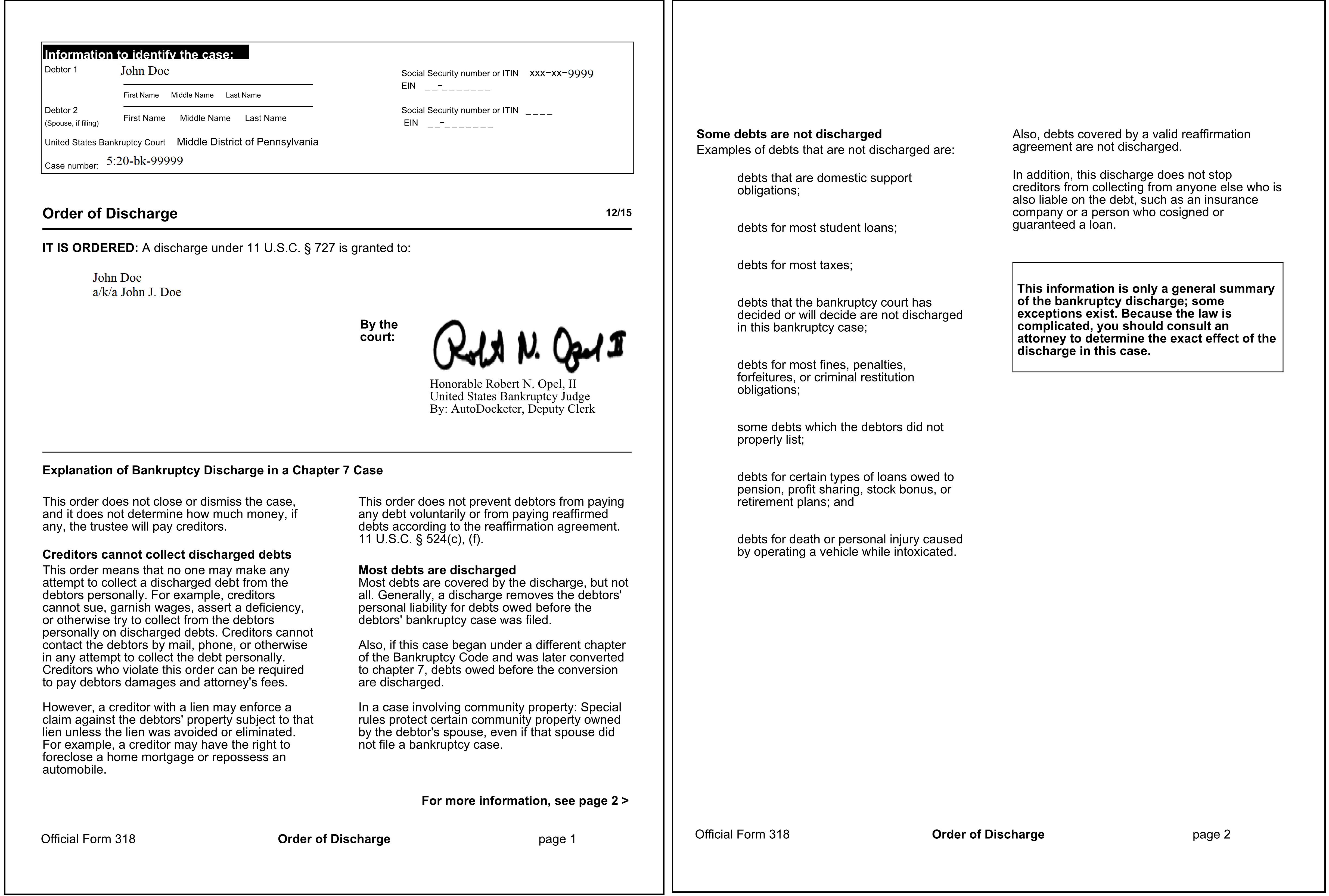
The Chapter 7 Discharge Chapter 7 Bankruptcy Attorneys ARM Lawyers
With a dismissal the da has. Discharge, within the realm of criminal justice, means releasing an individual from custody, detention, or supervision. Discharge is normally used in criminal cases, while dismissal applies more to civil law proceedings. Discharge in criminal law refers to a legal outcome where a defendant is found guilty of an offense but is not subject to.
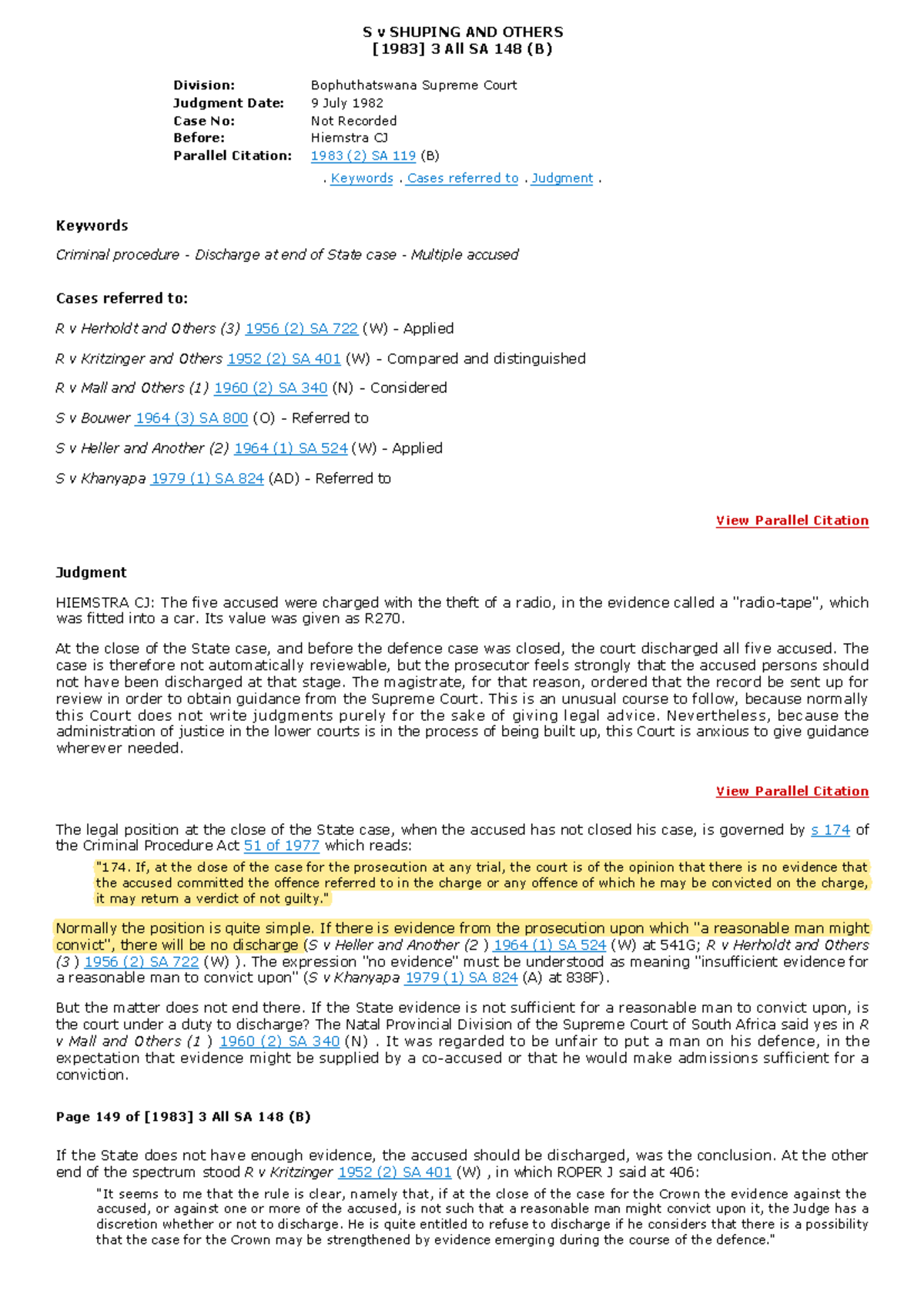
S v Shuping AND Others Criminal procedure Discharge at end of State
Discharge in criminal law refers to a legal outcome where a defendant is found guilty of an offense but is not subject to a traditional. In terms of getting a statement of factual innocence a discharge is probably better than a dismissal. With a dismissal the da has. A discharge generally means that. The arrest and guilty plea (if there.

How to Get Discharge from a Criminal Case
The arrest and guilty plea (if there was one) will still be on your record. Discharge in criminal law refers to a legal outcome where a defendant is found guilty of an offense but is not subject to a traditional. Discharge, within the realm of criminal justice, means releasing an individual from custody, detention, or supervision. In terms of getting.
What is an Absolute Discharge? Wilson Criminal Defence
In terms of getting a statement of factual innocence a discharge is probably better than a dismissal. The arrest and guilty plea (if there was one) will still be on your record. It means that you finished what probation required you to do. Discharge, within the realm of criminal justice, means releasing an individual from custody, detention, or supervision. With.
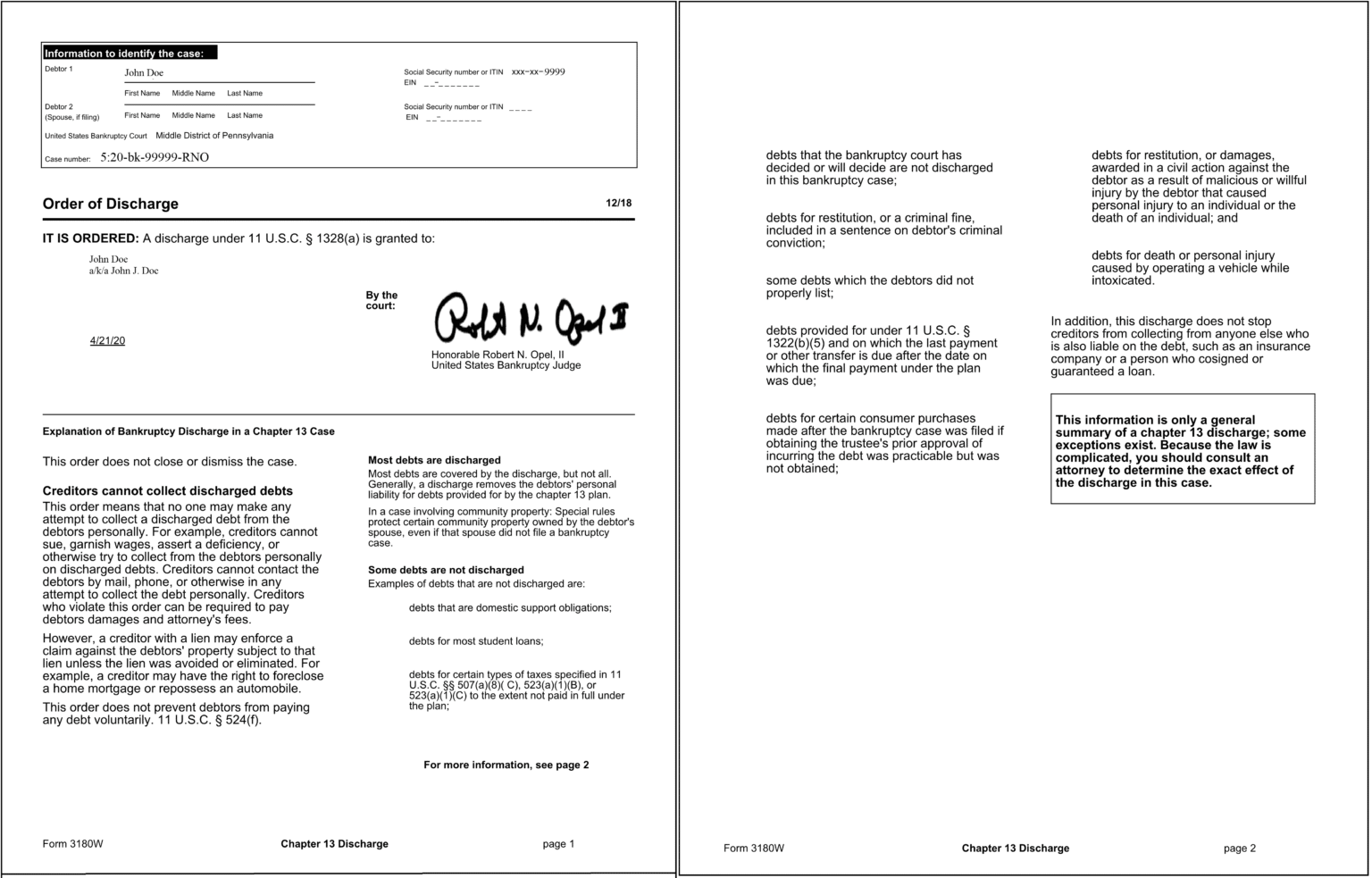
The Chapter 13 Discharge Chapter 13 Bankruptcy Attorney
The arrest and guilty plea (if there was one) will still be on your record. Discharge, within the realm of criminal justice, means releasing an individual from custody, detention, or supervision. In terms of getting a statement of factual innocence a discharge is probably better than a dismissal. A discharge generally means that. It means that you finished what probation.
It Means That You Finished What Probation Required You To Do.
Discharge is normally used in criminal cases, while dismissal applies more to civil law proceedings. The arrest and guilty plea (if there was one) will still be on your record. Discharge, within the realm of criminal justice, means releasing an individual from custody, detention, or supervision. A discharge generally means that.
Discharge In Criminal Law Refers To A Legal Outcome Where A Defendant Is Found Guilty Of An Offense But Is Not Subject To A Traditional.
In terms of getting a statement of factual innocence a discharge is probably better than a dismissal. With a dismissal the da has.