Umbilical Cord Discharge - After birth, the umbilical cord isn't needed anymore. Although umbilical cord infections are uncommon, you should contact your pediatrician if you notice any of the following: Signs of omphalitis appear around the base of the stump and include redness or discoloration, hardened skin and yellowish. The redness sometimes spreads out. The umbilical cord brings nutrients and oxygen to your baby during pregnancy. Redness or swelling near the base of the umbilical cord is typically a sign of infection.
Signs of omphalitis appear around the base of the stump and include redness or discoloration, hardened skin and yellowish. The redness sometimes spreads out. Although umbilical cord infections are uncommon, you should contact your pediatrician if you notice any of the following: Redness or swelling near the base of the umbilical cord is typically a sign of infection. After birth, the umbilical cord isn't needed anymore. The umbilical cord brings nutrients and oxygen to your baby during pregnancy.
Signs of omphalitis appear around the base of the stump and include redness or discoloration, hardened skin and yellowish. After birth, the umbilical cord isn't needed anymore. Although umbilical cord infections are uncommon, you should contact your pediatrician if you notice any of the following: The umbilical cord brings nutrients and oxygen to your baby during pregnancy. Redness or swelling near the base of the umbilical cord is typically a sign of infection. The redness sometimes spreads out.
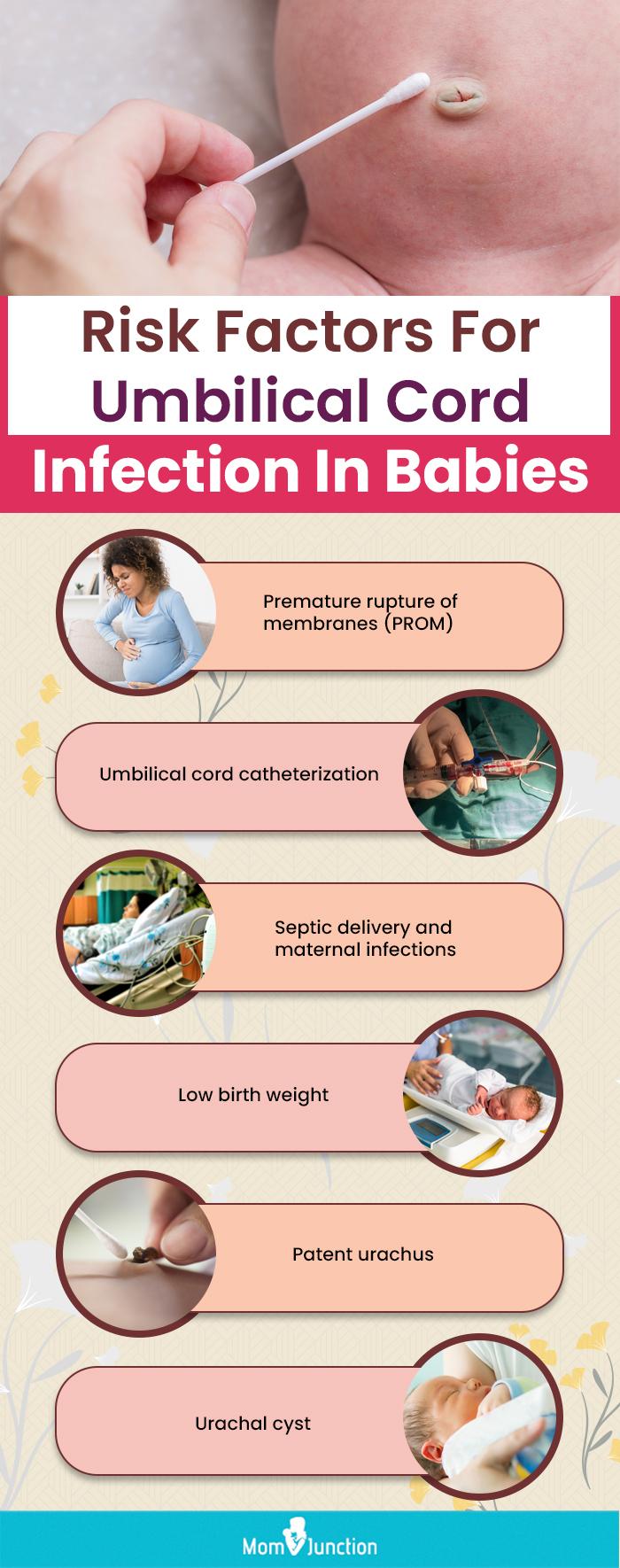
What Does An Infected Umbilical Cord Stump Look Like
Signs of omphalitis appear around the base of the stump and include redness or discoloration, hardened skin and yellowish. Although umbilical cord infections are uncommon, you should contact your pediatrician if you notice any of the following: Redness or swelling near the base of the umbilical cord is typically a sign of infection. The umbilical cord brings nutrients and oxygen.
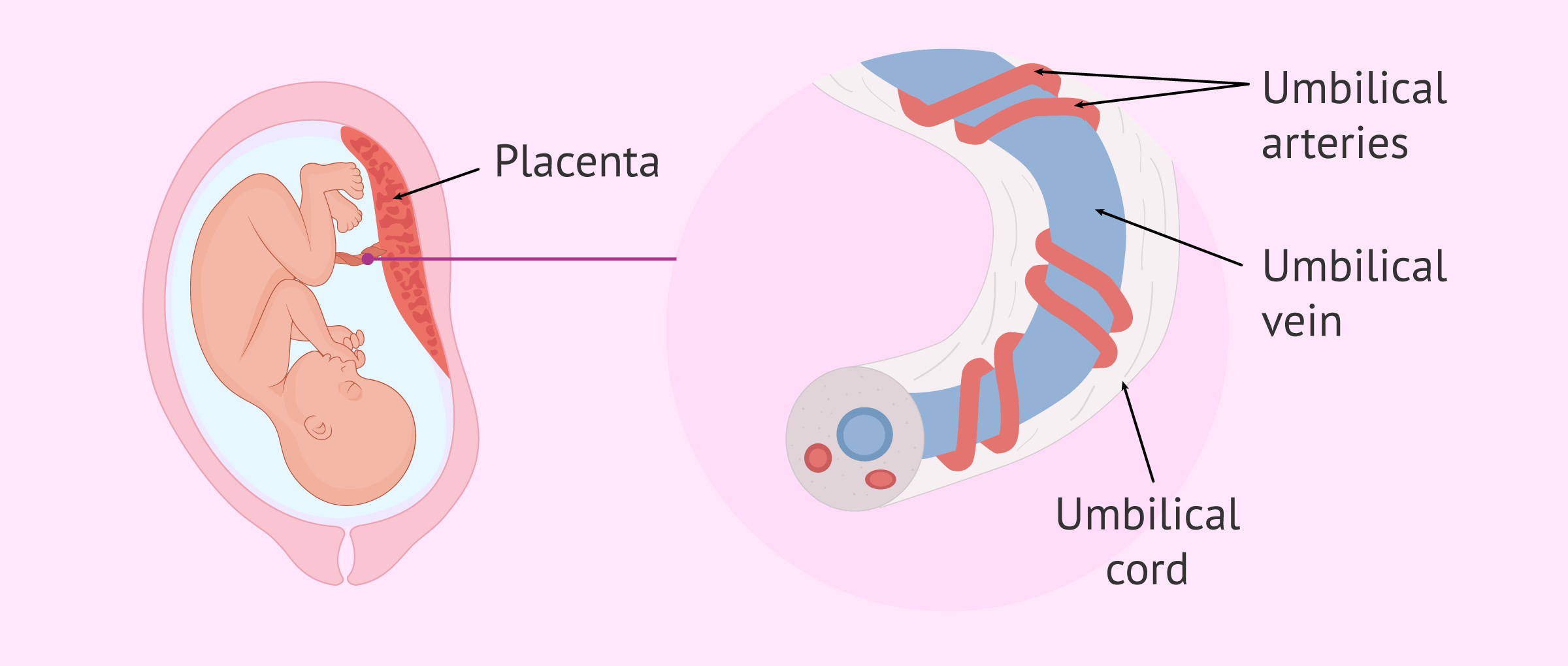
What does the umbilical cord look like?
Signs of omphalitis appear around the base of the stump and include redness or discoloration, hardened skin and yellowish. Redness or swelling near the base of the umbilical cord is typically a sign of infection. Although umbilical cord infections are uncommon, you should contact your pediatrician if you notice any of the following: The redness sometimes spreads out. After birth,.
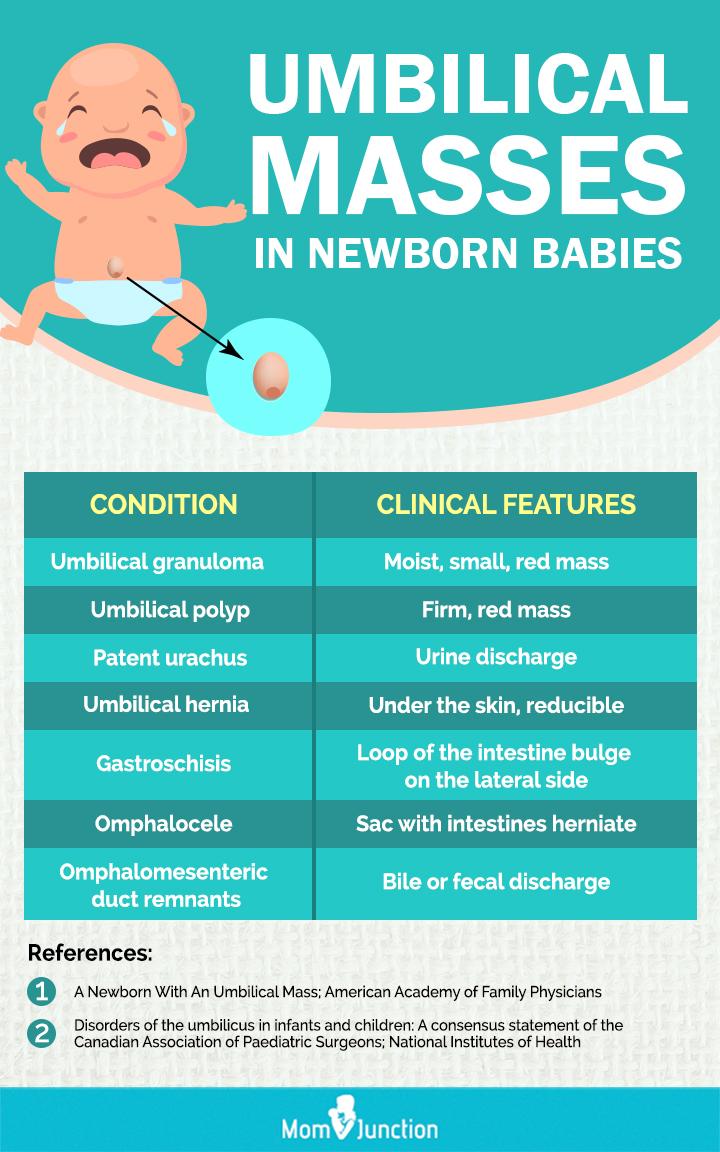
Umbilical Cord Granuloma
Redness or swelling near the base of the umbilical cord is typically a sign of infection. After birth, the umbilical cord isn't needed anymore. The umbilical cord brings nutrients and oxygen to your baby during pregnancy. Although umbilical cord infections are uncommon, you should contact your pediatrician if you notice any of the following: The redness sometimes spreads out.

"Young Living Myrrh Essential Oil 2x a day, my son's umbilical cord
The umbilical cord brings nutrients and oxygen to your baby during pregnancy. Signs of omphalitis appear around the base of the stump and include redness or discoloration, hardened skin and yellowish. Redness or swelling near the base of the umbilical cord is typically a sign of infection. After birth, the umbilical cord isn't needed anymore. Although umbilical cord infections are.

Figure 4 from Clinical Profile Of Umbilical Discharge In Adults; A
The redness sometimes spreads out. Redness or swelling near the base of the umbilical cord is typically a sign of infection. After birth, the umbilical cord isn't needed anymore. Although umbilical cord infections are uncommon, you should contact your pediatrician if you notice any of the following: The umbilical cord brings nutrients and oxygen to your baby during pregnancy.
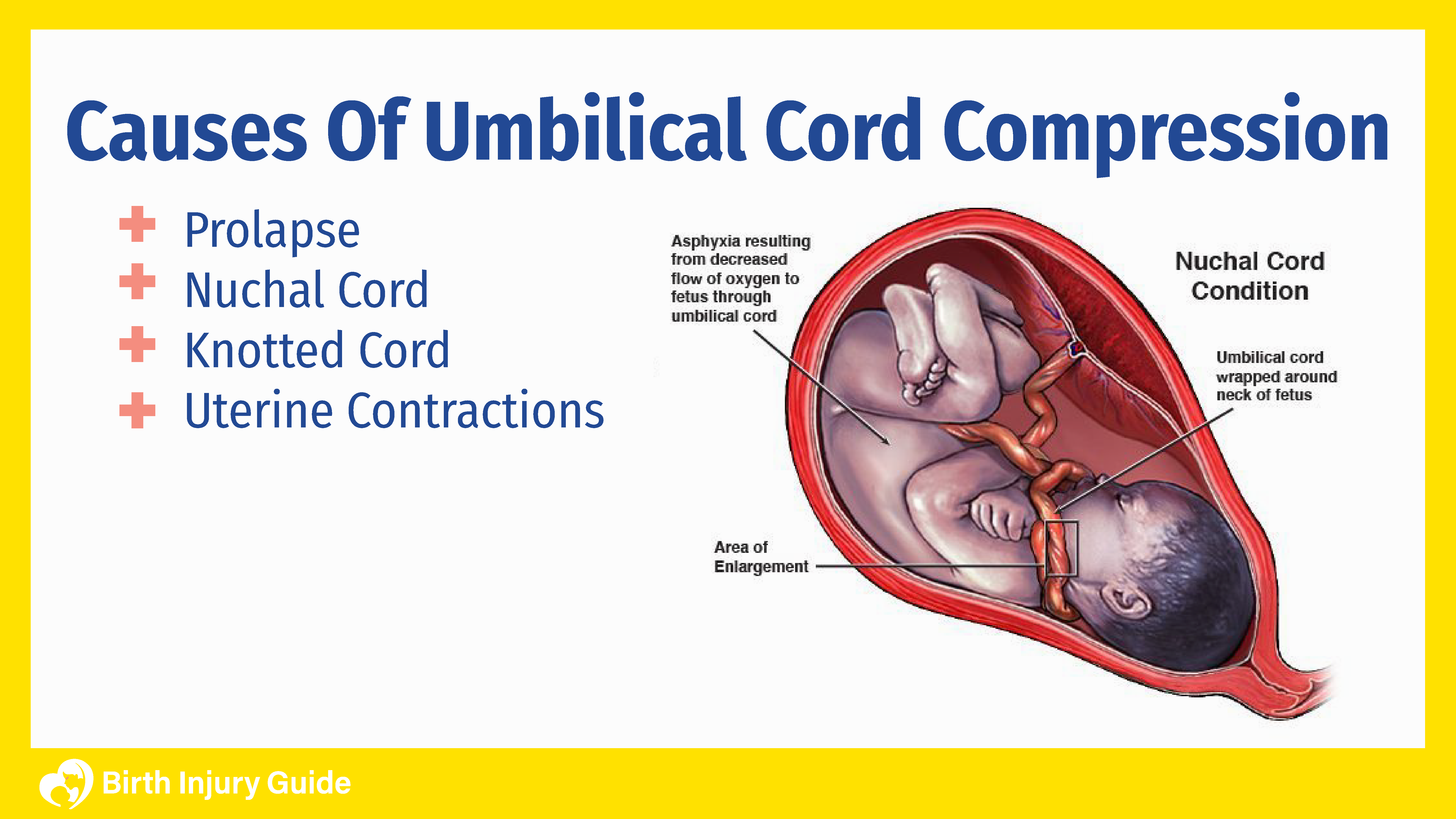
Umbilical Cord Compression and Your Baby's Health Birth Injury Guide
After birth, the umbilical cord isn't needed anymore. Redness or swelling near the base of the umbilical cord is typically a sign of infection. The umbilical cord brings nutrients and oxygen to your baby during pregnancy. Signs of omphalitis appear around the base of the stump and include redness or discoloration, hardened skin and yellowish. Although umbilical cord infections are.

Three common umbilical cord problems in newborns...and when to worry
After birth, the umbilical cord isn't needed anymore. Redness or swelling near the base of the umbilical cord is typically a sign of infection. The umbilical cord brings nutrients and oxygen to your baby during pregnancy. Signs of omphalitis appear around the base of the stump and include redness or discoloration, hardened skin and yellowish. Although umbilical cord infections are.

What to do if there is blood spotting at umbilical cord site? Dr
Redness or swelling near the base of the umbilical cord is typically a sign of infection. The umbilical cord brings nutrients and oxygen to your baby during pregnancy. Although umbilical cord infections are uncommon, you should contact your pediatrician if you notice any of the following: Signs of omphalitis appear around the base of the stump and include redness or.
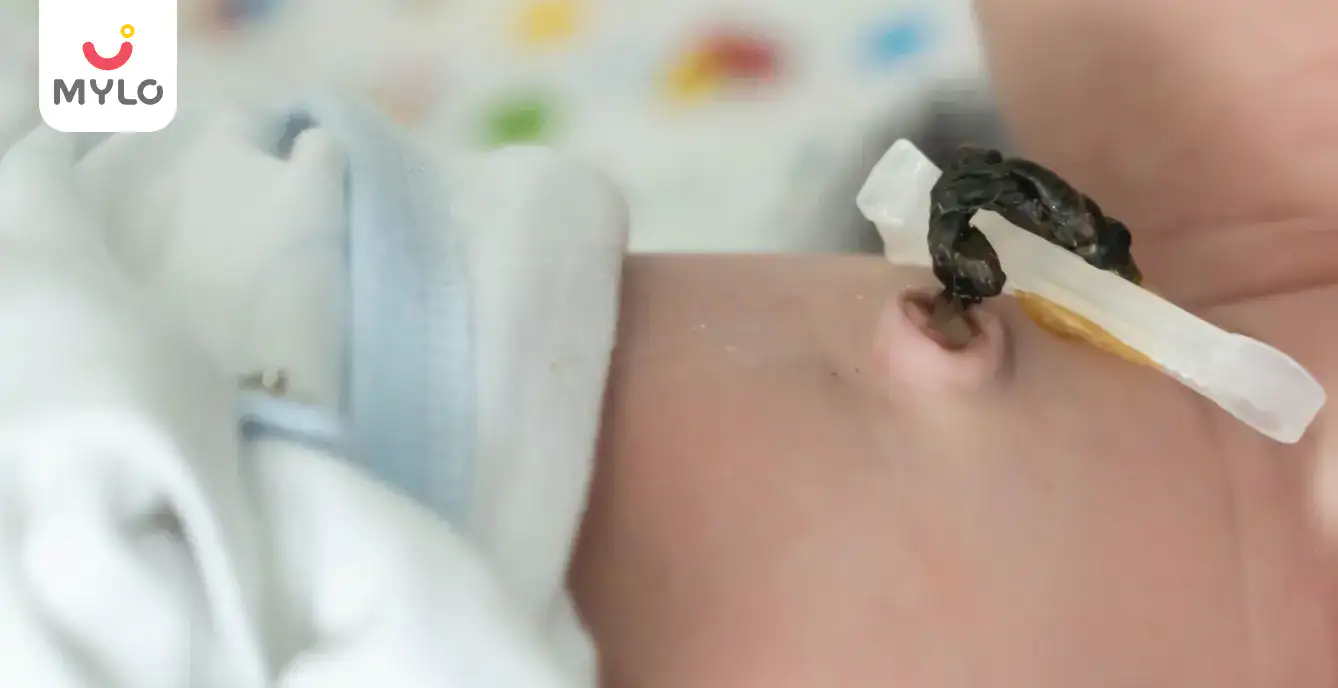
What Does An Infected Umbilical Cord Stump Look Like
Signs of omphalitis appear around the base of the stump and include redness or discoloration, hardened skin and yellowish. The redness sometimes spreads out. Although umbilical cord infections are uncommon, you should contact your pediatrician if you notice any of the following: After birth, the umbilical cord isn't needed anymore. Redness or swelling near the base of the umbilical cord.
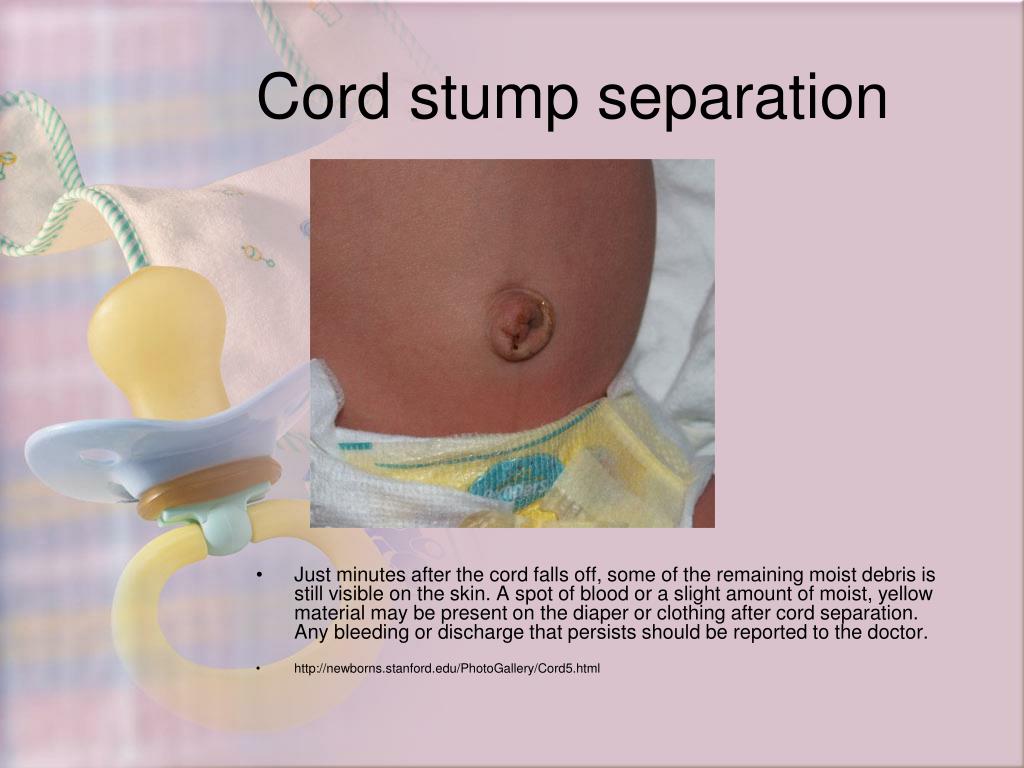
PPT Newborn Appearance PowerPoint Presentation, free download ID
After birth, the umbilical cord isn't needed anymore. Although umbilical cord infections are uncommon, you should contact your pediatrician if you notice any of the following: Signs of omphalitis appear around the base of the stump and include redness or discoloration, hardened skin and yellowish. The umbilical cord brings nutrients and oxygen to your baby during pregnancy. Redness or swelling.
Signs Of Omphalitis Appear Around The Base Of The Stump And Include Redness Or Discoloration, Hardened Skin And Yellowish.
Although umbilical cord infections are uncommon, you should contact your pediatrician if you notice any of the following: Redness or swelling near the base of the umbilical cord is typically a sign of infection. After birth, the umbilical cord isn't needed anymore. The umbilical cord brings nutrients and oxygen to your baby during pregnancy.