Ovulated Oocyte - The oocyte is ovulated at the mii stage. Ovulation of an oocyte from the ovary into the oviduct for fertilization is a tightly regulated process, engaging multiple physiological. In humans generally a single oocyte is released from a cohort of several maturing. Sister chromatids will be segregated after fertilization. An oocyte is a form of genetic material that can be collected for cryoconservation. During oogenesis, the oogonia become primary oocytes.
Ovulation of an oocyte from the ovary into the oviduct for fertilization is a tightly regulated process, engaging multiple physiological. During oogenesis, the oogonia become primary oocytes. An oocyte is a form of genetic material that can be collected for cryoconservation. Sister chromatids will be segregated after fertilization. The oocyte is ovulated at the mii stage. In humans generally a single oocyte is released from a cohort of several maturing.
The oocyte is ovulated at the mii stage. Ovulation of an oocyte from the ovary into the oviduct for fertilization is a tightly regulated process, engaging multiple physiological. During oogenesis, the oogonia become primary oocytes. Sister chromatids will be segregated after fertilization. In humans generally a single oocyte is released from a cohort of several maturing. An oocyte is a form of genetic material that can be collected for cryoconservation.

Chapter 29 Oocyte at ovulation Diagram Quizlet
During oogenesis, the oogonia become primary oocytes. Sister chromatids will be segregated after fertilization. In humans generally a single oocyte is released from a cohort of several maturing. The oocyte is ovulated at the mii stage. An oocyte is a form of genetic material that can be collected for cryoconservation.
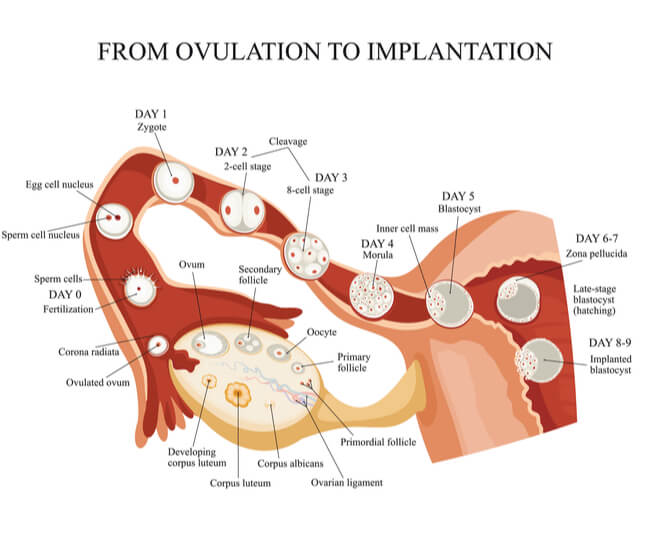
Fallopian Tube The Definitive Guide Biology Dictionary
During oogenesis, the oogonia become primary oocytes. An oocyte is a form of genetic material that can be collected for cryoconservation. Ovulation of an oocyte from the ovary into the oviduct for fertilization is a tightly regulated process, engaging multiple physiological. In humans generally a single oocyte is released from a cohort of several maturing. Sister chromatids will be segregated.
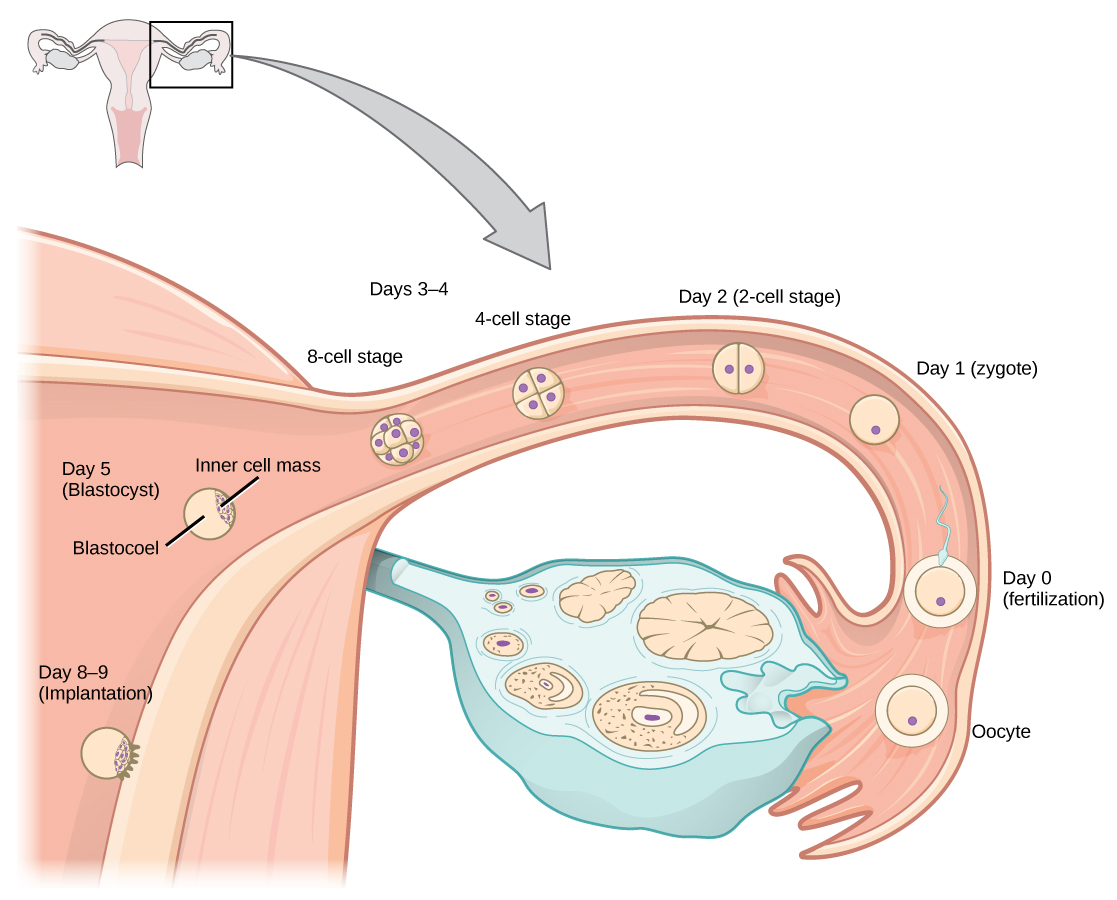
Human Pregnancy and Birth · Biology
Ovulation of an oocyte from the ovary into the oviduct for fertilization is a tightly regulated process, engaging multiple physiological. During oogenesis, the oogonia become primary oocytes. In humans generally a single oocyte is released from a cohort of several maturing. An oocyte is a form of genetic material that can be collected for cryoconservation. Sister chromatids will be segregated.
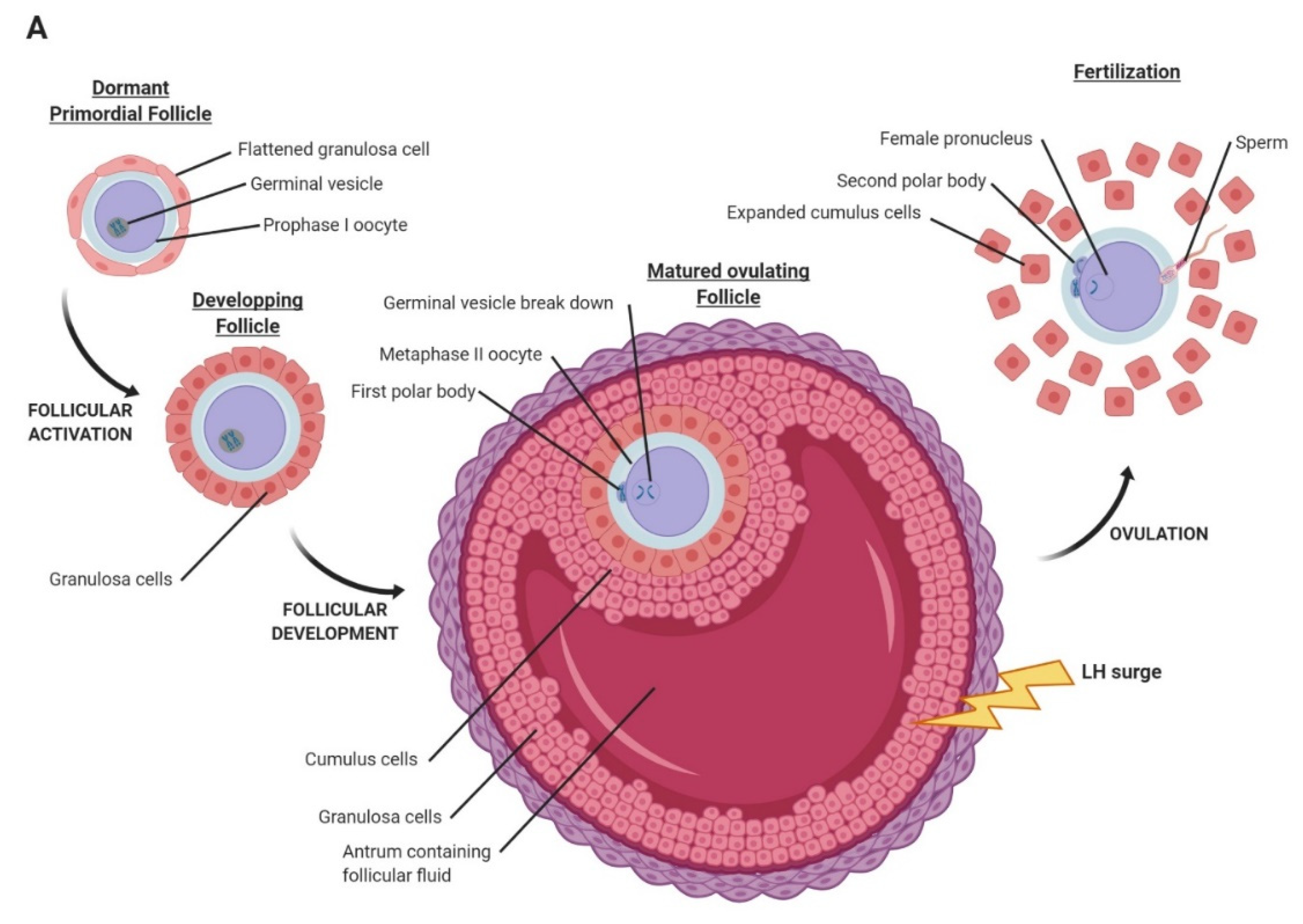
IJMS Free FullText Adipokines Expression and Effects in Oocyte
Sister chromatids will be segregated after fertilization. An oocyte is a form of genetic material that can be collected for cryoconservation. Ovulation of an oocyte from the ovary into the oviduct for fertilization is a tightly regulated process, engaging multiple physiological. During oogenesis, the oogonia become primary oocytes. In humans generally a single oocyte is released from a cohort of.

A Ovulated oocytes from in vitro cultured HA encapsulated preantral
The oocyte is ovulated at the mii stage. In humans generally a single oocyte is released from a cohort of several maturing. An oocyte is a form of genetic material that can be collected for cryoconservation. Ovulation of an oocyte from the ovary into the oviduct for fertilization is a tightly regulated process, engaging multiple physiological. During oogenesis, the oogonia.

Maturation
The oocyte is ovulated at the mii stage. An oocyte is a form of genetic material that can be collected for cryoconservation. During oogenesis, the oogonia become primary oocytes. Sister chromatids will be segregated after fertilization. Ovulation of an oocyte from the ovary into the oviduct for fertilization is a tightly regulated process, engaging multiple physiological.

Explain the development of a secondary oocyte (ovu
Ovulation of an oocyte from the ovary into the oviduct for fertilization is a tightly regulated process, engaging multiple physiological. Sister chromatids will be segregated after fertilization. In humans generally a single oocyte is released from a cohort of several maturing. During oogenesis, the oogonia become primary oocytes. The oocyte is ovulated at the mii stage.
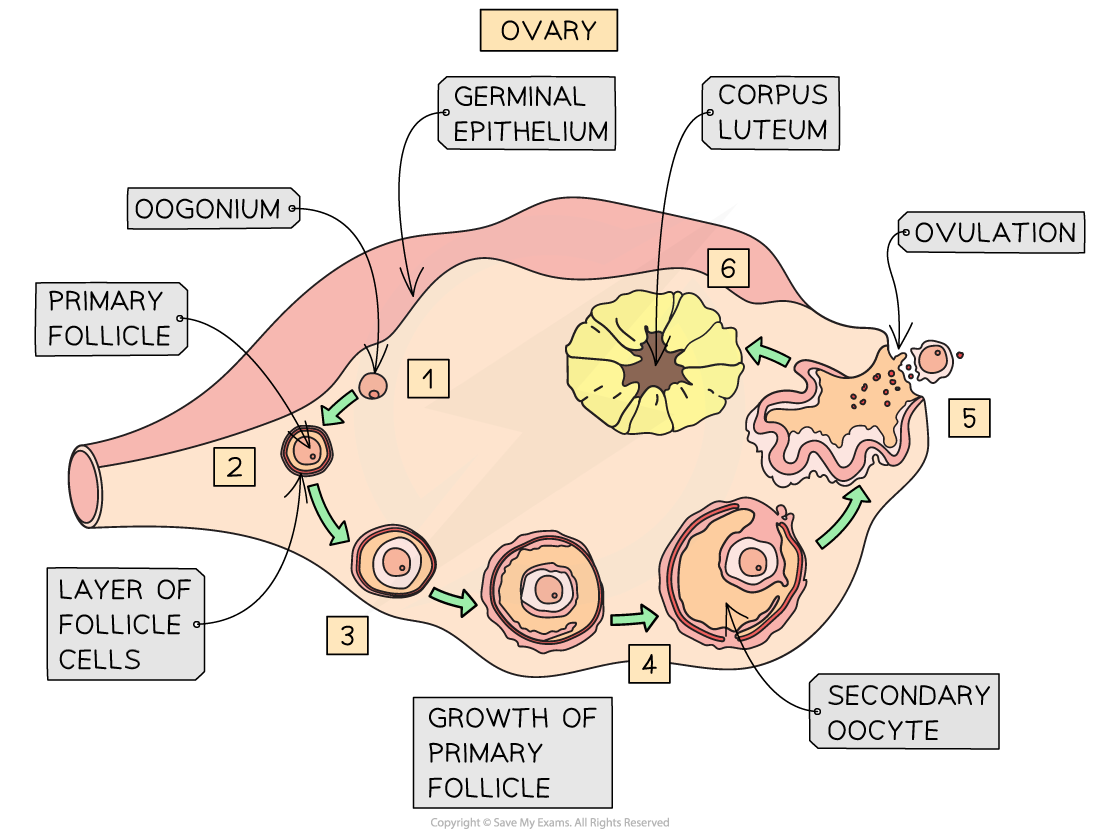
What is Oogenesis? Definition, Stages, Process Tutoroot
Ovulation of an oocyte from the ovary into the oviduct for fertilization is a tightly regulated process, engaging multiple physiological. The oocyte is ovulated at the mii stage. During oogenesis, the oogonia become primary oocytes. In humans generally a single oocyte is released from a cohort of several maturing. Sister chromatids will be segregated after fertilization.

Oocyte (Ovulation and Fertilization) Diagram Quizlet
In humans generally a single oocyte is released from a cohort of several maturing. Sister chromatids will be segregated after fertilization. An oocyte is a form of genetic material that can be collected for cryoconservation. Ovulation of an oocyte from the ovary into the oviduct for fertilization is a tightly regulated process, engaging multiple physiological. The oocyte is ovulated at.
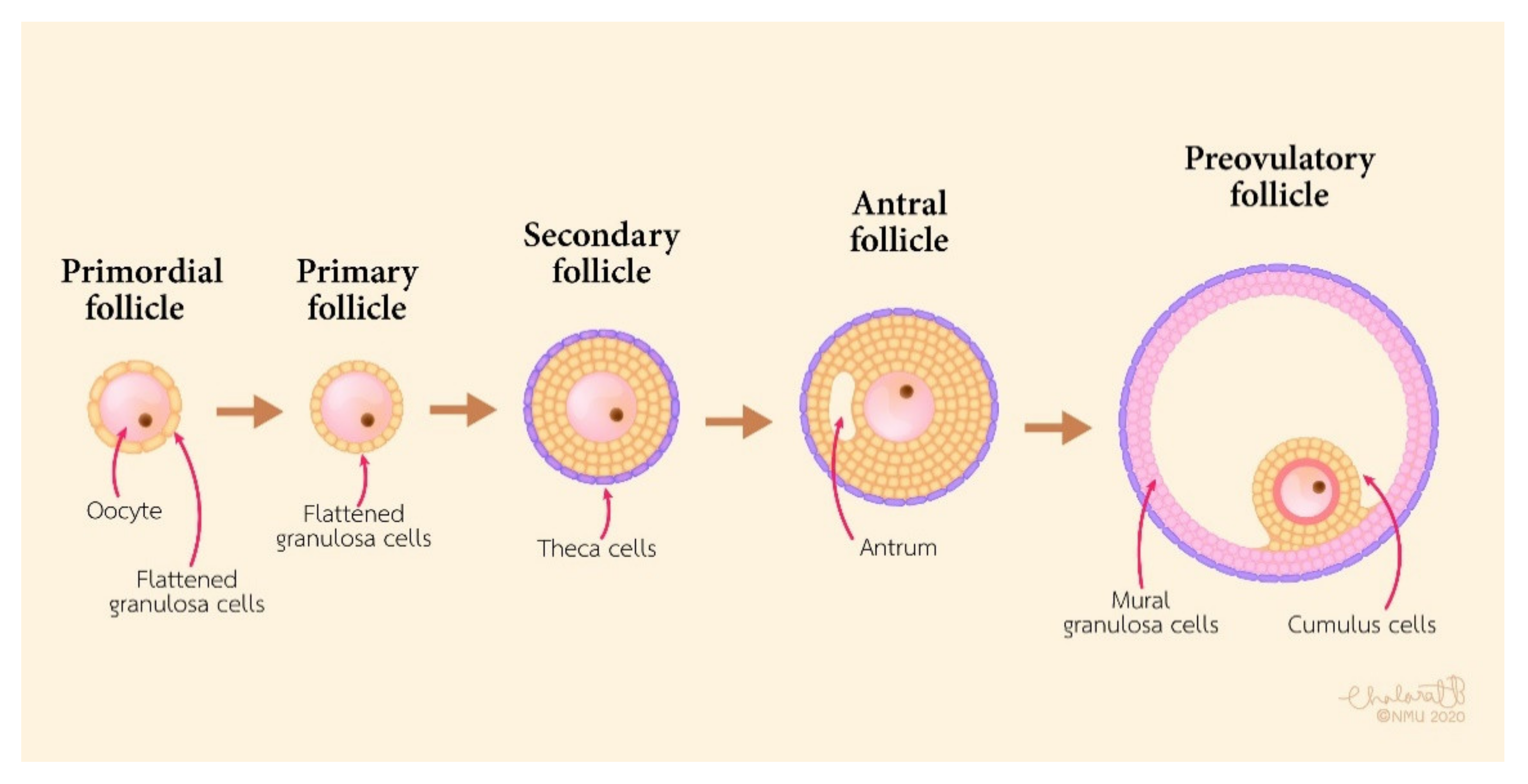
The Function of Cumulus Cells in Oocyte Growth and Maturation and in
An oocyte is a form of genetic material that can be collected for cryoconservation. Sister chromatids will be segregated after fertilization. Ovulation of an oocyte from the ovary into the oviduct for fertilization is a tightly regulated process, engaging multiple physiological. In humans generally a single oocyte is released from a cohort of several maturing. The oocyte is ovulated at.
Sister Chromatids Will Be Segregated After Fertilization.
In humans generally a single oocyte is released from a cohort of several maturing. An oocyte is a form of genetic material that can be collected for cryoconservation. During oogenesis, the oogonia become primary oocytes. Ovulation of an oocyte from the ovary into the oviduct for fertilization is a tightly regulated process, engaging multiple physiological.