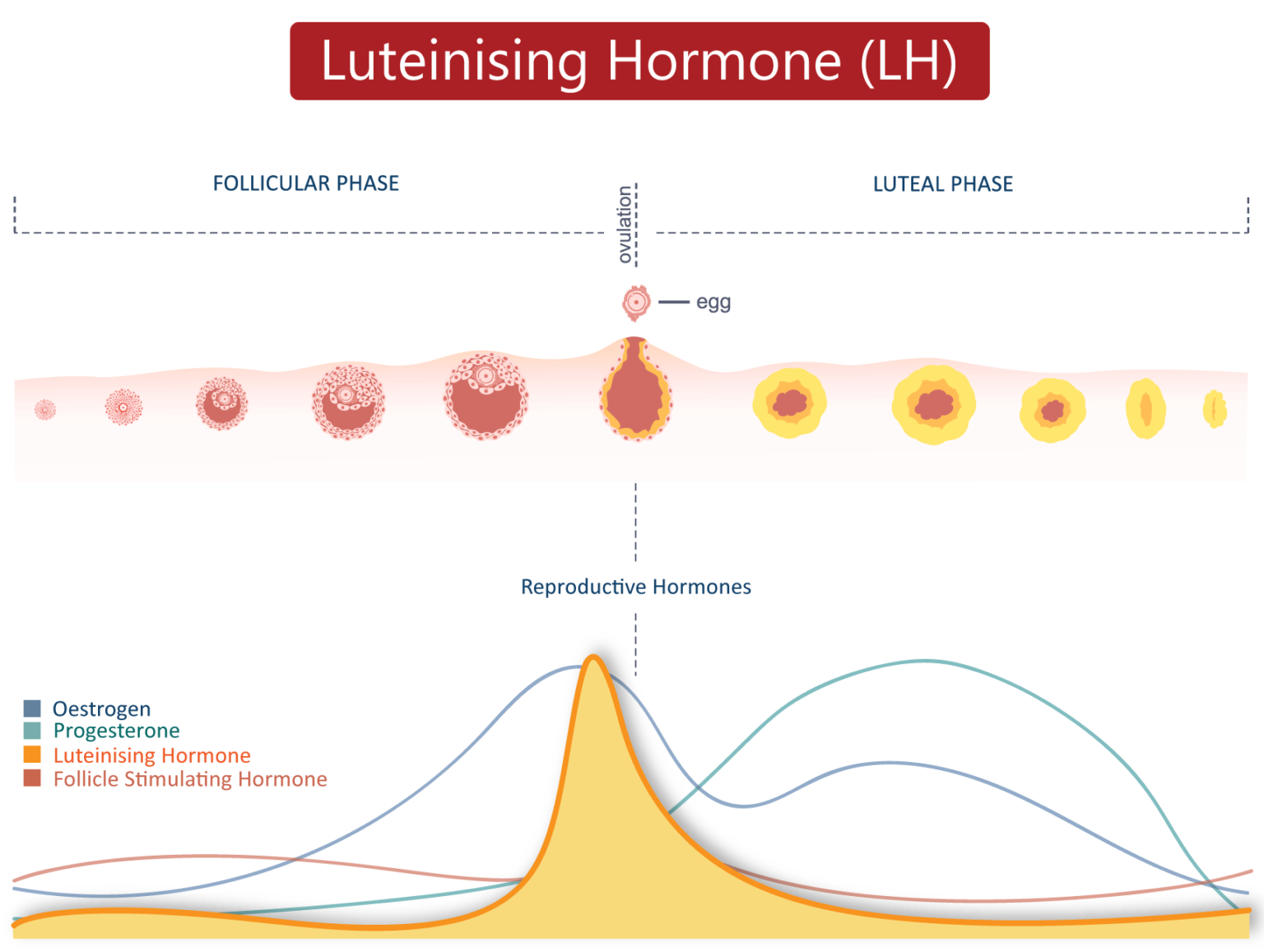
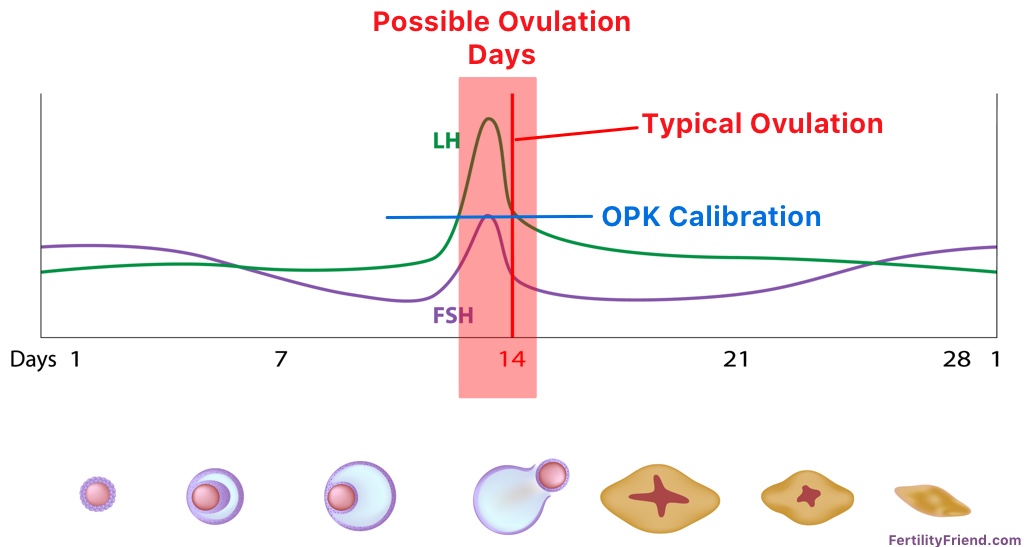
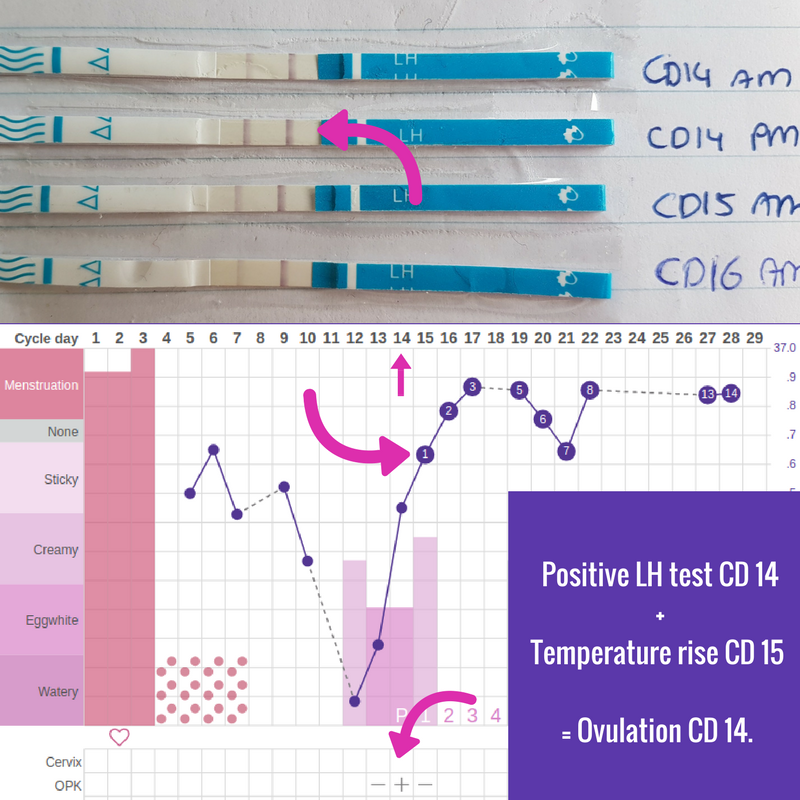
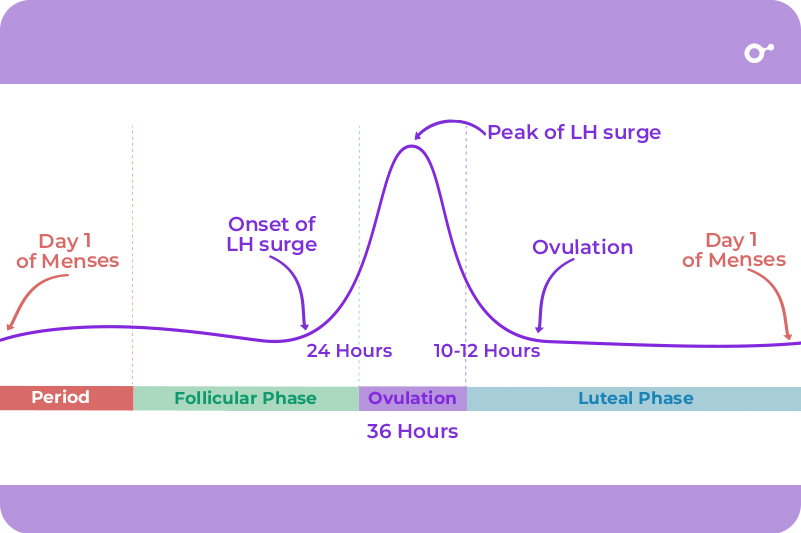
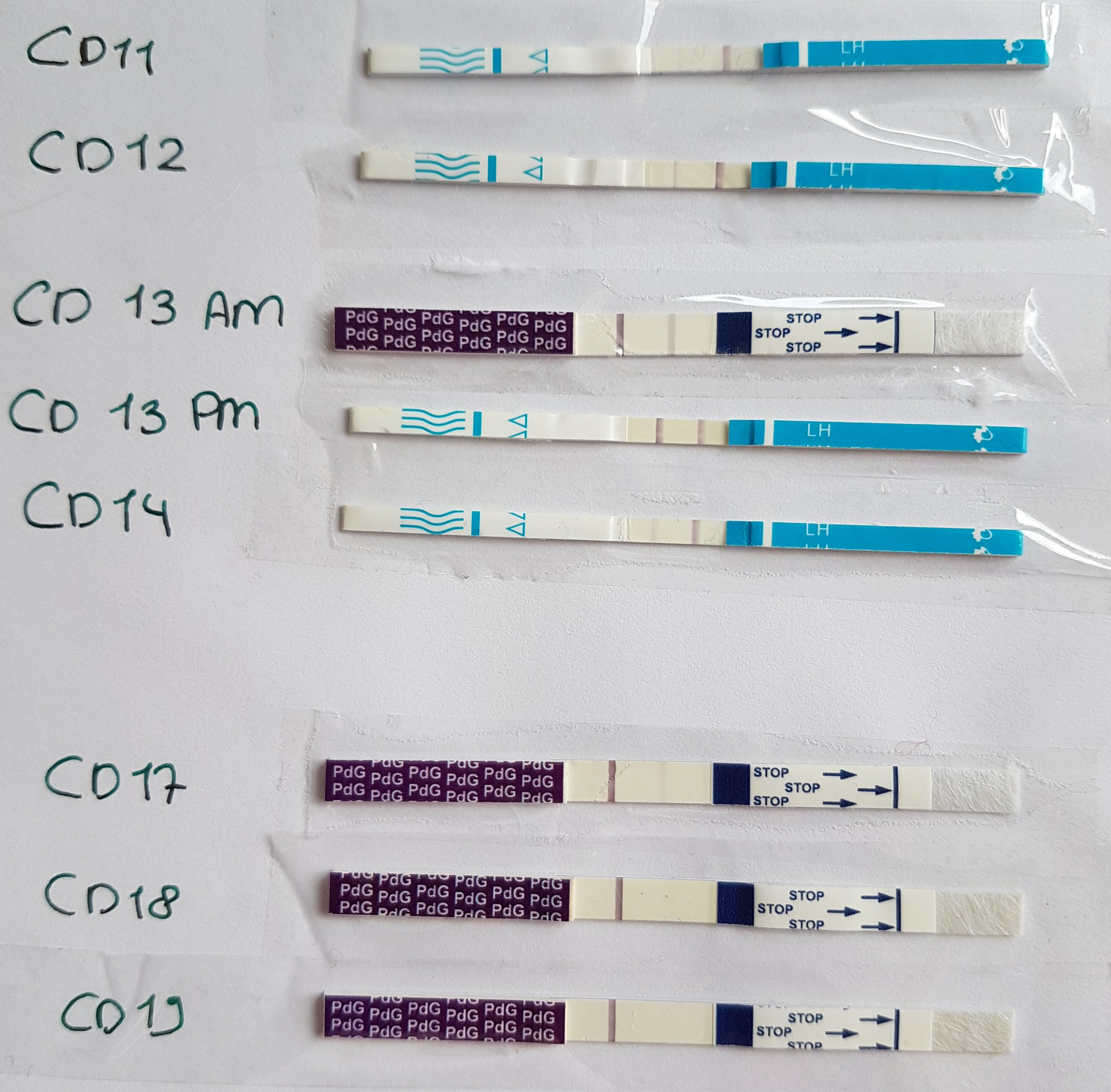
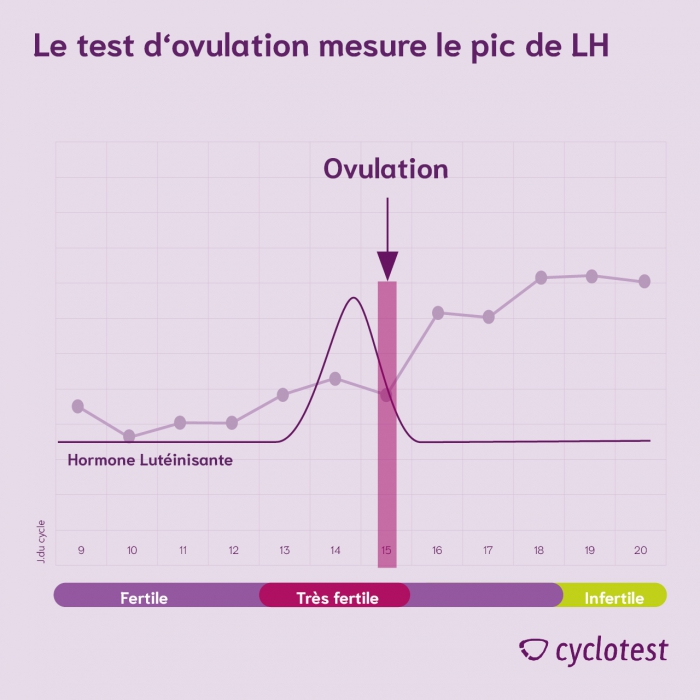
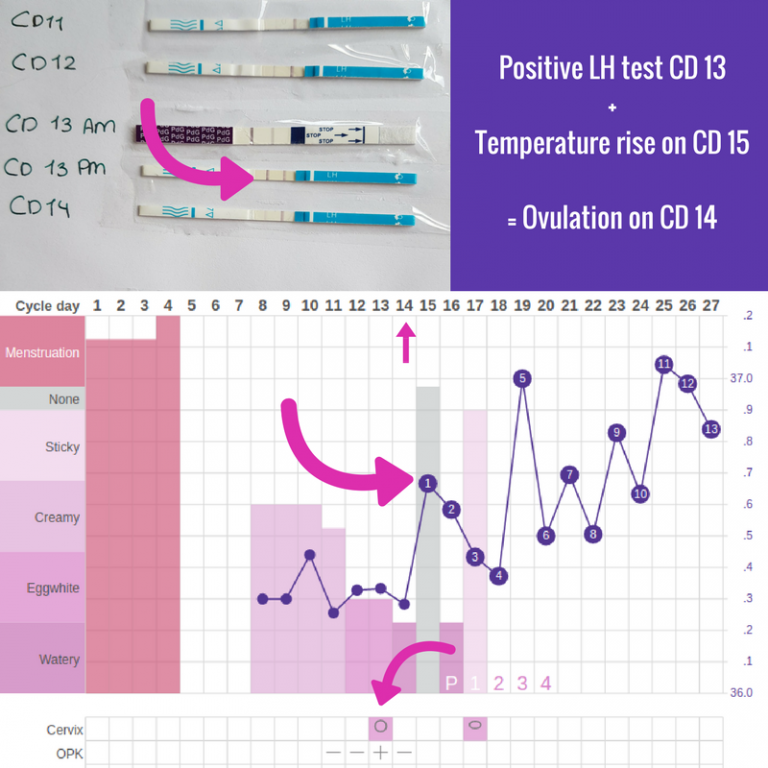
Lh Ovulation - A surge in lh causes your ovary to release a mature egg around the second week of each menstrual cycle. If your pituitary gland isn’t releasing enough lh and fsh, it can cause anovulation. Lh is the hormone that surges before ovulation. A high lh level around this time means that you’re at that moment in your cycle when you’re most likely. At about day 14 in the menstrual cycle, a sudden surge in lh causes the mature follicle to rupture and release its egg (ovulation). Toward the end of the follicular phase, high estrogen levels trigger your pituitary gland to release a surge of luteinizing hormone (lh), the hormone associated with the luteal phase. They work by detecting lh (luteinizing hormone) in your pee. A positive result means you’re about to ovulate (usually within 36 hours). Lh activates the mature egg to escape the follicle. After ovulation, the ruptured follicle forms a corpus luteum (a temporary endocrine gland).
A surge in lh causes your ovary to release a mature egg around the second week of each menstrual cycle. They work by detecting lh (luteinizing hormone) in your pee. At about day 14 in the menstrual cycle, a sudden surge in lh causes the mature follicle to rupture and release its egg (ovulation). Toward the end of the follicular phase, high estrogen levels trigger your pituitary gland to release a surge of luteinizing hormone (lh), the hormone associated with the luteal phase. A positive result means you’re about to ovulate (usually within 36 hours). Lh activates the mature egg to escape the follicle. If your pituitary gland isn’t releasing enough lh and fsh, it can cause anovulation. Lh is the hormone that surges before ovulation. A high lh level around this time means that you’re at that moment in your cycle when you’re most likely. After ovulation, the ruptured follicle forms a corpus luteum (a temporary endocrine gland).
If your pituitary gland isn’t releasing enough lh and fsh, it can cause anovulation. Toward the end of the follicular phase, high estrogen levels trigger your pituitary gland to release a surge of luteinizing hormone (lh), the hormone associated with the luteal phase. Lh activates the mature egg to escape the follicle. At about day 14 in the menstrual cycle, a sudden surge in lh causes the mature follicle to rupture and release its egg (ovulation). A high lh level around this time means that you’re at that moment in your cycle when you’re most likely. Lh is the hormone that surges before ovulation. They work by detecting lh (luteinizing hormone) in your pee. After ovulation, the ruptured follicle forms a corpus luteum (a temporary endocrine gland). A surge in lh causes your ovary to release a mature egg around the second week of each menstrual cycle. A positive result means you’re about to ovulate (usually within 36 hours).

Understanding luteinizing hormone and how it relates to fertility
A surge in lh causes your ovary to release a mature egg around the second week of each menstrual cycle. Toward the end of the follicular phase, high estrogen levels trigger your pituitary gland to release a surge of luteinizing hormone (lh), the hormone associated with the luteal phase. After ovulation, the ruptured follicle forms a corpus luteum (a temporary.
Optional LH Testing Fertility Charting
Toward the end of the follicular phase, high estrogen levels trigger your pituitary gland to release a surge of luteinizing hormone (lh), the hormone associated with the luteal phase. After ovulation, the ruptured follicle forms a corpus luteum (a temporary endocrine gland). Lh is the hormone that surges before ovulation. A high lh level around this time means that you’re.

Lh Surge Chart And Ovulation
A surge in lh causes your ovary to release a mature egg around the second week of each menstrual cycle. If your pituitary gland isn’t releasing enough lh and fsh, it can cause anovulation. Toward the end of the follicular phase, high estrogen levels trigger your pituitary gland to release a surge of luteinizing hormone (lh), the hormone associated with.
How to read an OPK
At about day 14 in the menstrual cycle, a sudden surge in lh causes the mature follicle to rupture and release its egg (ovulation). After ovulation, the ruptured follicle forms a corpus luteum (a temporary endocrine gland). A positive result means you’re about to ovulate (usually within 36 hours). A surge in lh causes your ovary to release a mature.

Tracking LH surges helps identify fertility windows Luteinizing
After ovulation, the ruptured follicle forms a corpus luteum (a temporary endocrine gland). Toward the end of the follicular phase, high estrogen levels trigger your pituitary gland to release a surge of luteinizing hormone (lh), the hormone associated with the luteal phase. A high lh level around this time means that you’re at that moment in your cycle when you’re.
How to use cheap ovulation tests LH strips Ingefleur Fertility Homeopath
If your pituitary gland isn’t releasing enough lh and fsh, it can cause anovulation. They work by detecting lh (luteinizing hormone) in your pee. A surge in lh causes your ovary to release a mature egg around the second week of each menstrual cycle. A high lh level around this time means that you’re at that moment in your cycle.
LH Levels & Surges What Does a ‘Normal’ LH Level Look Like? Inito
Lh activates the mature egg to escape the follicle. After ovulation, the ruptured follicle forms a corpus luteum (a temporary endocrine gland). A surge in lh causes your ovary to release a mature egg around the second week of each menstrual cycle. Toward the end of the follicular phase, high estrogen levels trigger your pituitary gland to release a surge.
How to use cheap ovulation tests LH strips Ingefleur Fertility Homeopath
Lh activates the mature egg to escape the follicle. Lh is the hormone that surges before ovulation. After ovulation, the ruptured follicle forms a corpus luteum (a temporary endocrine gland). They work by detecting lh (luteinizing hormone) in your pee. A high lh level around this time means that you’re at that moment in your cycle when you’re most likely.
Test d'ovulation comment ça marche ? cyclotest
They work by detecting lh (luteinizing hormone) in your pee. A high lh level around this time means that you’re at that moment in your cycle when you’re most likely. Lh activates the mature egg to escape the follicle. A positive result means you’re about to ovulate (usually within 36 hours). Lh is the hormone that surges before ovulation.
How to use cheap ovulation tests LH strips Ingefleur Fertility Homeopath
A positive result means you’re about to ovulate (usually within 36 hours). A surge in lh causes your ovary to release a mature egg around the second week of each menstrual cycle. At about day 14 in the menstrual cycle, a sudden surge in lh causes the mature follicle to rupture and release its egg (ovulation). After ovulation, the ruptured.
After Ovulation, The Ruptured Follicle Forms A Corpus Luteum (A Temporary Endocrine Gland).
If your pituitary gland isn’t releasing enough lh and fsh, it can cause anovulation. Toward the end of the follicular phase, high estrogen levels trigger your pituitary gland to release a surge of luteinizing hormone (lh), the hormone associated with the luteal phase. They work by detecting lh (luteinizing hormone) in your pee. Lh is the hormone that surges before ovulation.
A Surge In Lh Causes Your Ovary To Release A Mature Egg Around The Second Week Of Each Menstrual Cycle.
A positive result means you’re about to ovulate (usually within 36 hours). A high lh level around this time means that you’re at that moment in your cycle when you’re most likely. Lh activates the mature egg to escape the follicle. At about day 14 in the menstrual cycle, a sudden surge in lh causes the mature follicle to rupture and release its egg (ovulation).