How Long After Positive Ovulation Test - A woman’s complete menstrual cycle is usually 24 to 37 days long, although some women may have somewhat shorter or longer. When you consider the likely time interval between a positive lh test and ovulation (about 36 hours), and the 24 hours an egg remains viable after ovulation, you're looking at about 60 hours, or 2 ½ days, of prime fertility each month. You can get pregnant if you have unprotected sex anywhere from 5 days before ovulation until 1 day after ovulation. A positive ovulation test indicates an lh surge, meaning you can assume ovulation should occur anytime over the next 12 and 36 hours. How long am i fertile after a positive ovulation test? An egg should be released within one to three days of the positive ovulation test. Add to that the 36 hours between a positive ovulation test and the actual. The egg survives in your body for about 24 hours after it has been released. Sperm remains viable for even longer, and can live inside a woman’s body for up to. Once an egg is released, it is viable, or fertile, for around 24 hours.
Once an egg is released, it is viable, or fertile, for around 24 hours. When you consider the likely time interval between a positive lh test and ovulation (about 36 hours), and the 24 hours an egg remains viable after ovulation, you're looking at about 60 hours, or 2 ½ days, of prime fertility each month. An egg should be released within one to three days of the positive ovulation test. Sperm remains viable for even longer, and can live inside a woman’s body for up to. You can get pregnant if you have unprotected sex anywhere from 5 days before ovulation until 1 day after ovulation. How long am i fertile after a positive ovulation test? The egg survives in your body for about 24 hours after it has been released. Add to that the 36 hours between a positive ovulation test and the actual. A positive ovulation test indicates an lh surge, meaning you can assume ovulation should occur anytime over the next 12 and 36 hours. A woman’s complete menstrual cycle is usually 24 to 37 days long, although some women may have somewhat shorter or longer.
Sperm remains viable for even longer, and can live inside a woman’s body for up to. You can get pregnant if you have unprotected sex anywhere from 5 days before ovulation until 1 day after ovulation. Once an egg is released, it is viable, or fertile, for around 24 hours. Add to that the 36 hours between a positive ovulation test and the actual. A positive ovulation test indicates an lh surge, meaning you can assume ovulation should occur anytime over the next 12 and 36 hours. The egg survives in your body for about 24 hours after it has been released. An egg should be released within one to three days of the positive ovulation test. A woman’s complete menstrual cycle is usually 24 to 37 days long, although some women may have somewhat shorter or longer. You’ve entered your two most fertile days and this is when intercourse is most likely to. When you consider the likely time interval between a positive lh test and ovulation (about 36 hours), and the 24 hours an egg remains viable after ovulation, you're looking at about 60 hours, or 2 ½ days, of prime fertility each month.
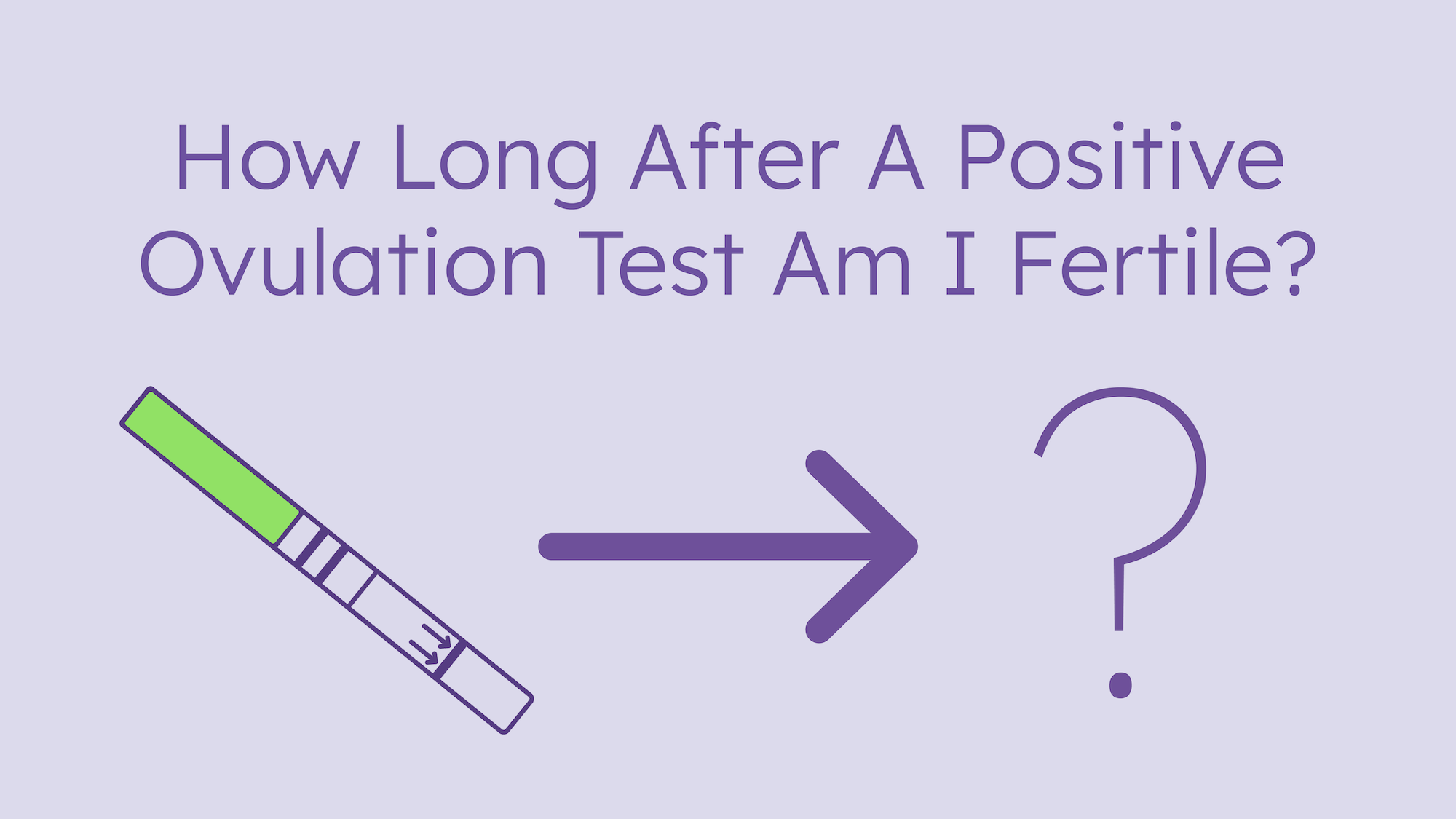
How Long After a Positive Ovulation Test am I Fertile? Understanding
A woman’s complete menstrual cycle is usually 24 to 37 days long, although some women may have somewhat shorter or longer. Once an egg is released, it is viable, or fertile, for around 24 hours. Sperm remains viable for even longer, and can live inside a woman’s body for up to. How long am i fertile after a positive ovulation.
Exploring How Long After a Positive Ovulation Test Are You Fertile
The egg survives in your body for about 24 hours after it has been released. Add to that the 36 hours between a positive ovulation test and the actual. A positive ovulation test indicates an lh surge, meaning you can assume ovulation should occur anytime over the next 12 and 36 hours. You can get pregnant if you have unprotected.
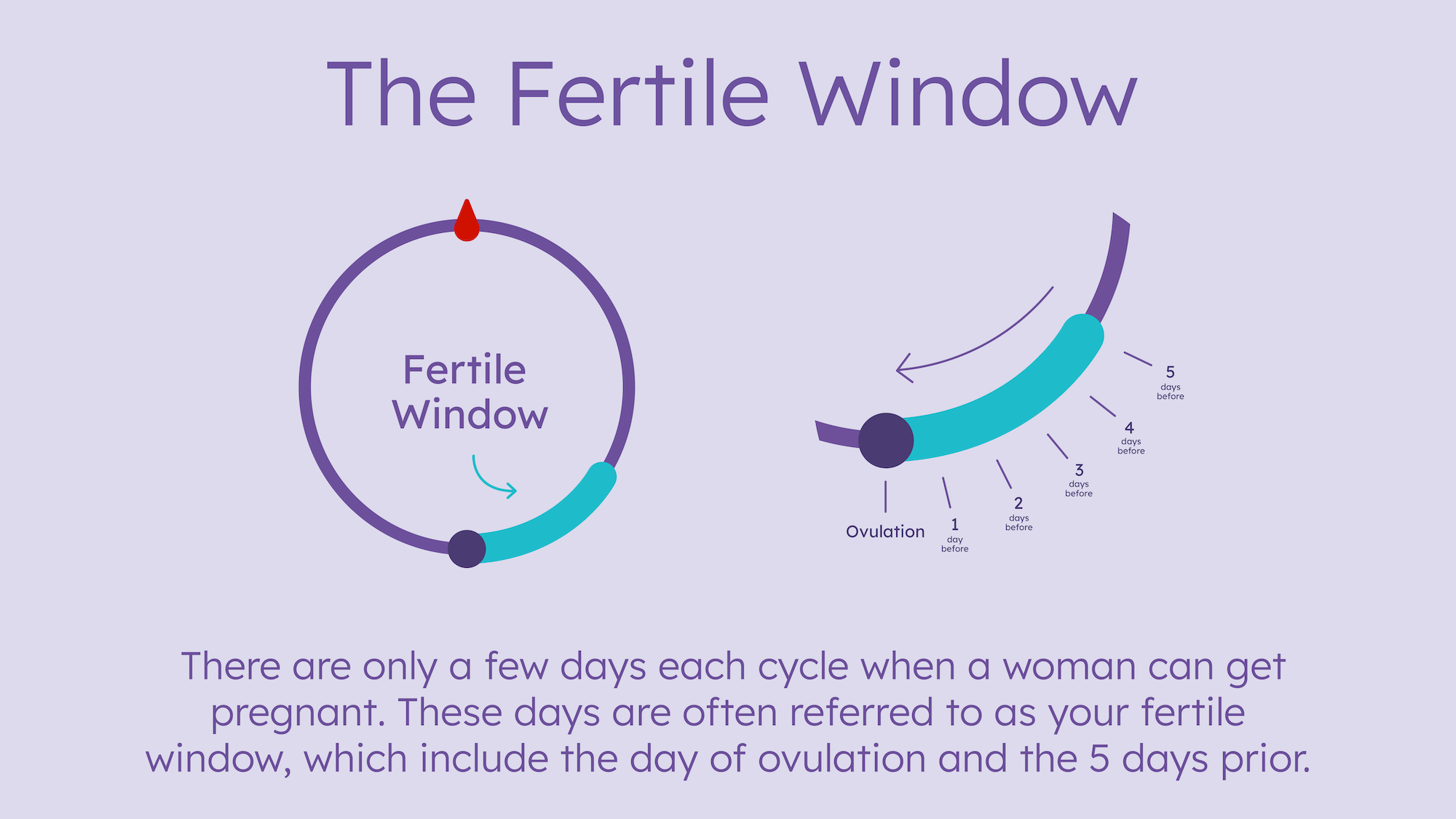
How Long After a Positive Ovulation Test am I Fertile? Understanding
When you consider the likely time interval between a positive lh test and ovulation (about 36 hours), and the 24 hours an egg remains viable after ovulation, you're looking at about 60 hours, or 2 ½ days, of prime fertility each month. Sperm remains viable for even longer, and can live inside a woman’s body for up to. The egg.
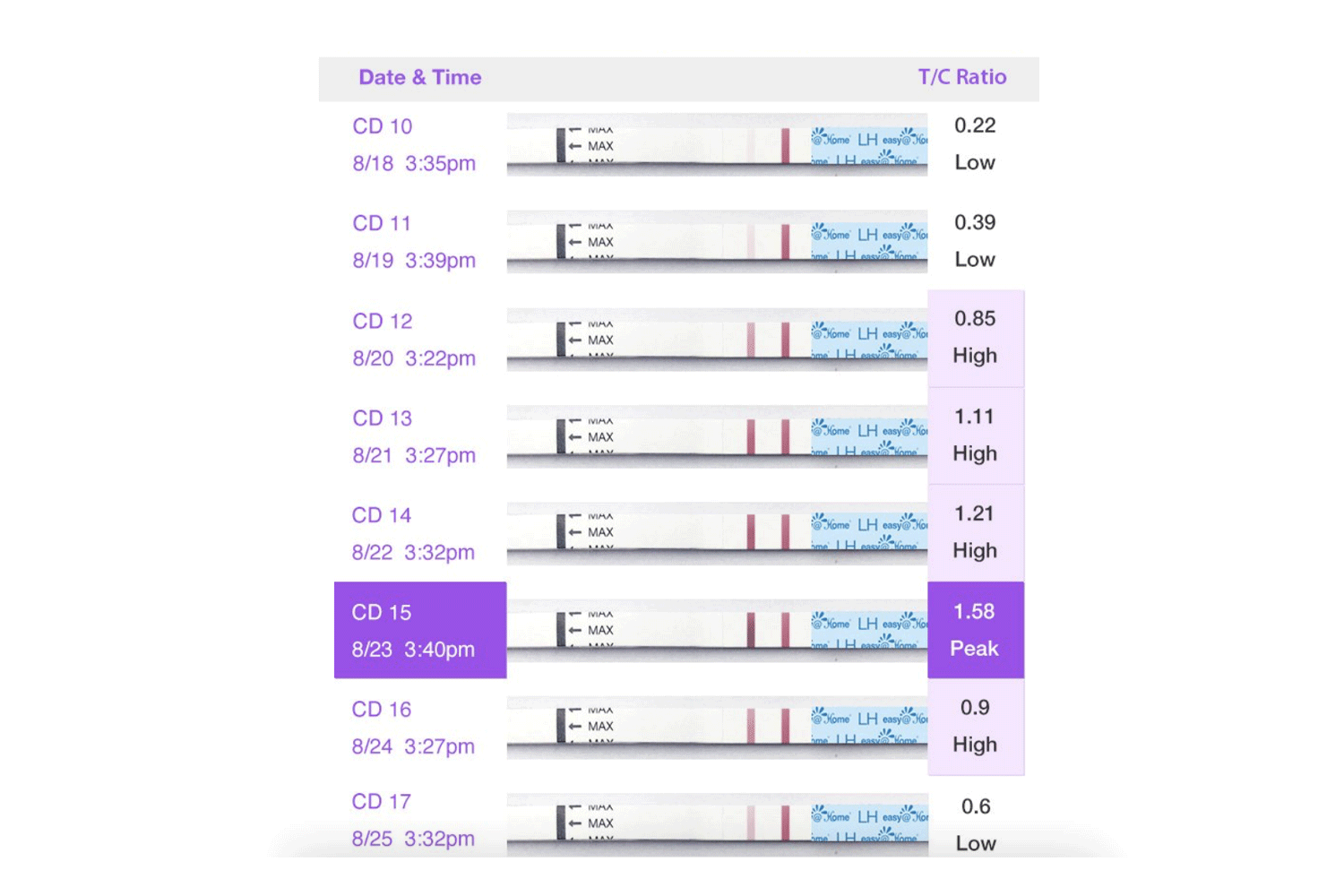
What Does a Positive Ovulation Test Look Like? See Examples
A woman’s complete menstrual cycle is usually 24 to 37 days long, although some women may have somewhat shorter or longer. The egg survives in your body for about 24 hours after it has been released. How long am i fertile after a positive ovulation test? A positive ovulation test indicates an lh surge, meaning you can assume ovulation should.

HOW TO READ OVULATION TESTS! + Line Progressions YouTube
Once an egg is released, it is viable, or fertile, for around 24 hours. When you consider the likely time interval between a positive lh test and ovulation (about 36 hours), and the 24 hours an egg remains viable after ovulation, you're looking at about 60 hours, or 2 ½ days, of prime fertility each month. A positive ovulation test.

How long after ovulation should you take a pregnancy test? Your
Add to that the 36 hours between a positive ovulation test and the actual. A woman’s complete menstrual cycle is usually 24 to 37 days long, although some women may have somewhat shorter or longer. How long am i fertile after a positive ovulation test? The egg survives in your body for about 24 hours after it has been released..
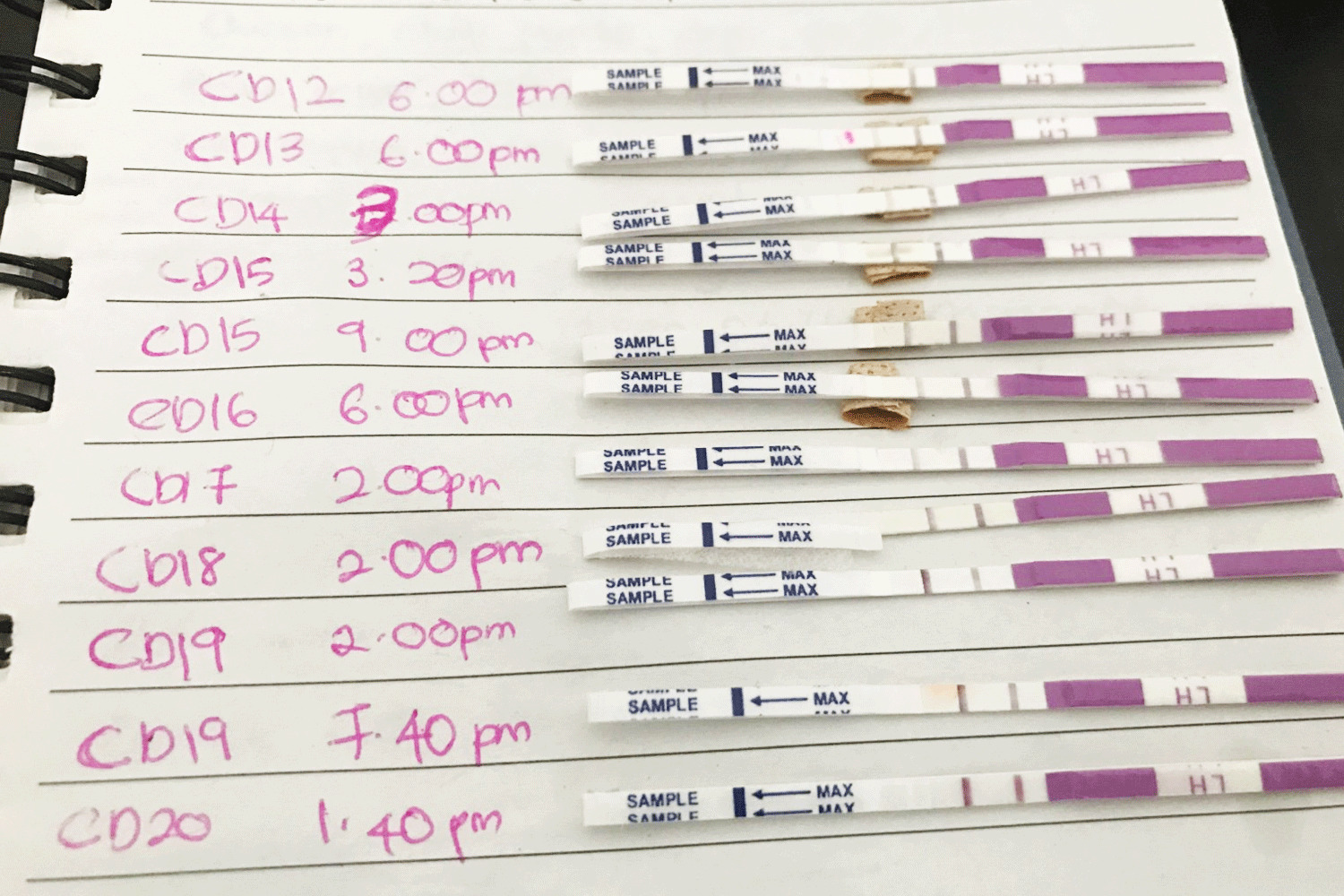
What Does a Positive Ovulation Test Look Like? See Examples
A positive ovulation test indicates an lh surge, meaning you can assume ovulation should occur anytime over the next 12 and 36 hours. Once an egg is released, it is viable, or fertile, for around 24 hours. When you consider the likely time interval between a positive lh test and ovulation (about 36 hours), and the 24 hours an egg.

Exploring How Long After a Positive Ovulation Test Are You Fertile
Once an egg is released, it is viable, or fertile, for around 24 hours. Sperm remains viable for even longer, and can live inside a woman’s body for up to. How long am i fertile after a positive ovulation test? The egg survives in your body for about 24 hours after it has been released. You’ve entered your two most.

Timing after positive ovulation test r/tryingtoconceive
How long am i fertile after a positive ovulation test? The egg survives in your body for about 24 hours after it has been released. You can get pregnant if you have unprotected sex anywhere from 5 days before ovulation until 1 day after ovulation. A woman’s complete menstrual cycle is usually 24 to 37 days long, although some women.

Ovulation Test Positive Early Pregnancy at Charles Champine blog
Add to that the 36 hours between a positive ovulation test and the actual. The egg survives in your body for about 24 hours after it has been released. Once an egg is released, it is viable, or fertile, for around 24 hours. Sperm remains viable for even longer, and can live inside a woman’s body for up to. When.
Add To That The 36 Hours Between A Positive Ovulation Test And The Actual.
You’ve entered your two most fertile days and this is when intercourse is most likely to. A positive ovulation test indicates an lh surge, meaning you can assume ovulation should occur anytime over the next 12 and 36 hours. How long am i fertile after a positive ovulation test? You can get pregnant if you have unprotected sex anywhere from 5 days before ovulation until 1 day after ovulation.
When You Consider The Likely Time Interval Between A Positive Lh Test And Ovulation (About 36 Hours), And The 24 Hours An Egg Remains Viable After Ovulation, You're Looking At About 60 Hours, Or 2 ½ Days, Of Prime Fertility Each Month.
Sperm remains viable for even longer, and can live inside a woman’s body for up to. An egg should be released within one to three days of the positive ovulation test. The egg survives in your body for about 24 hours after it has been released. A woman’s complete menstrual cycle is usually 24 to 37 days long, although some women may have somewhat shorter or longer.