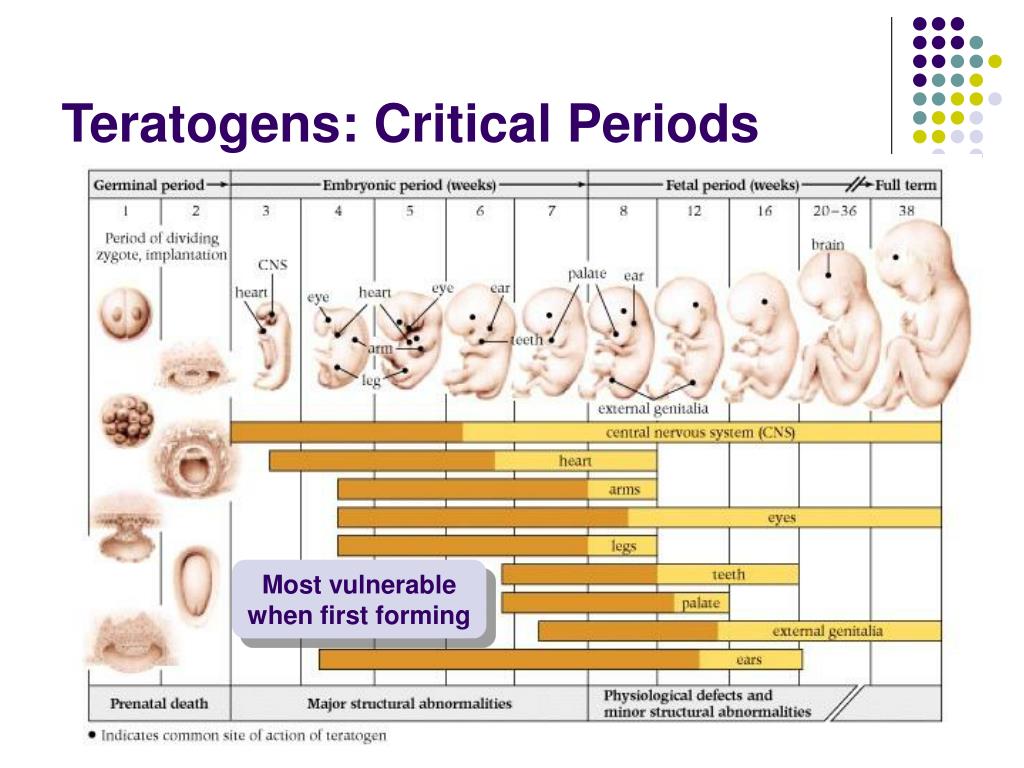
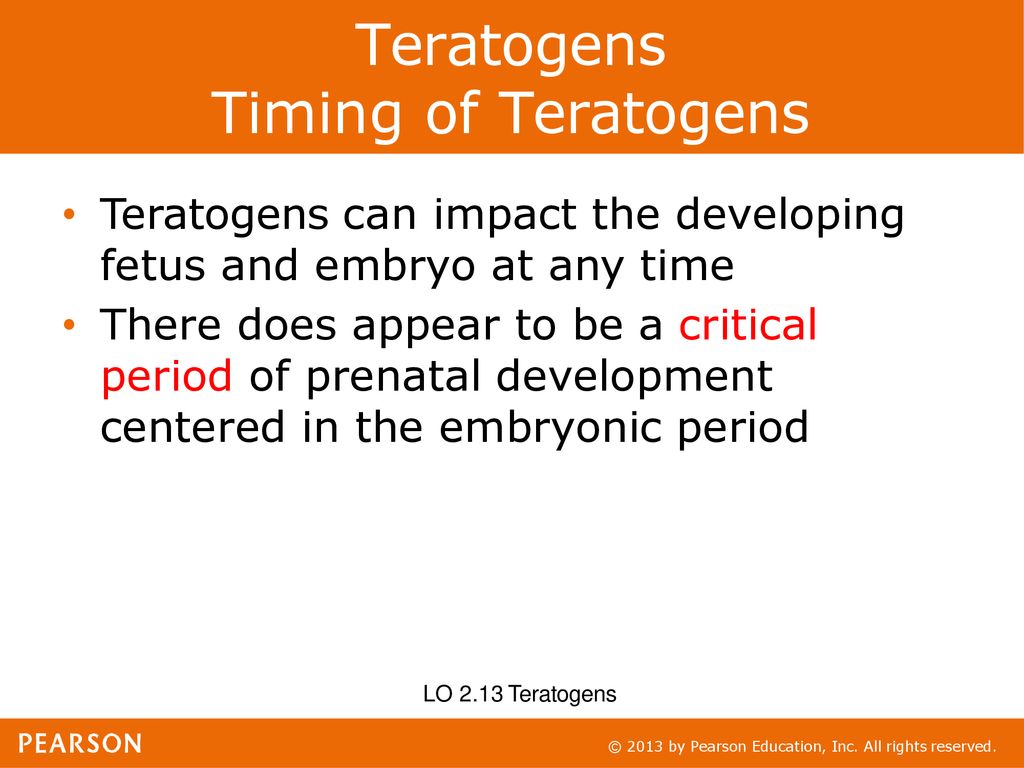
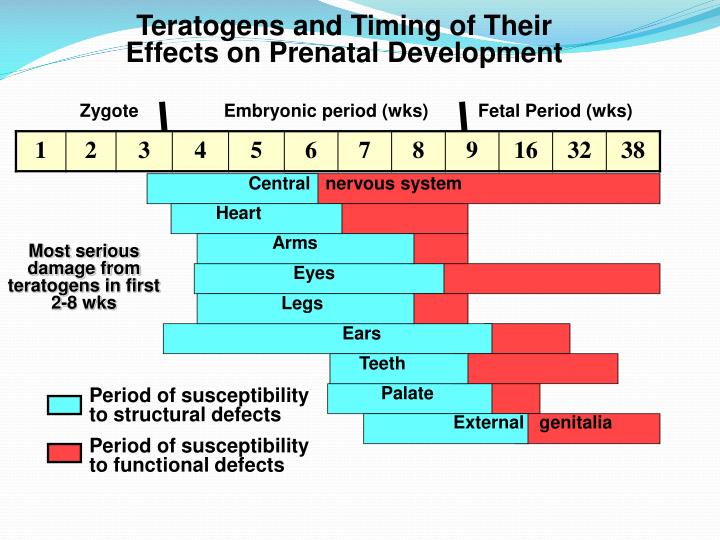
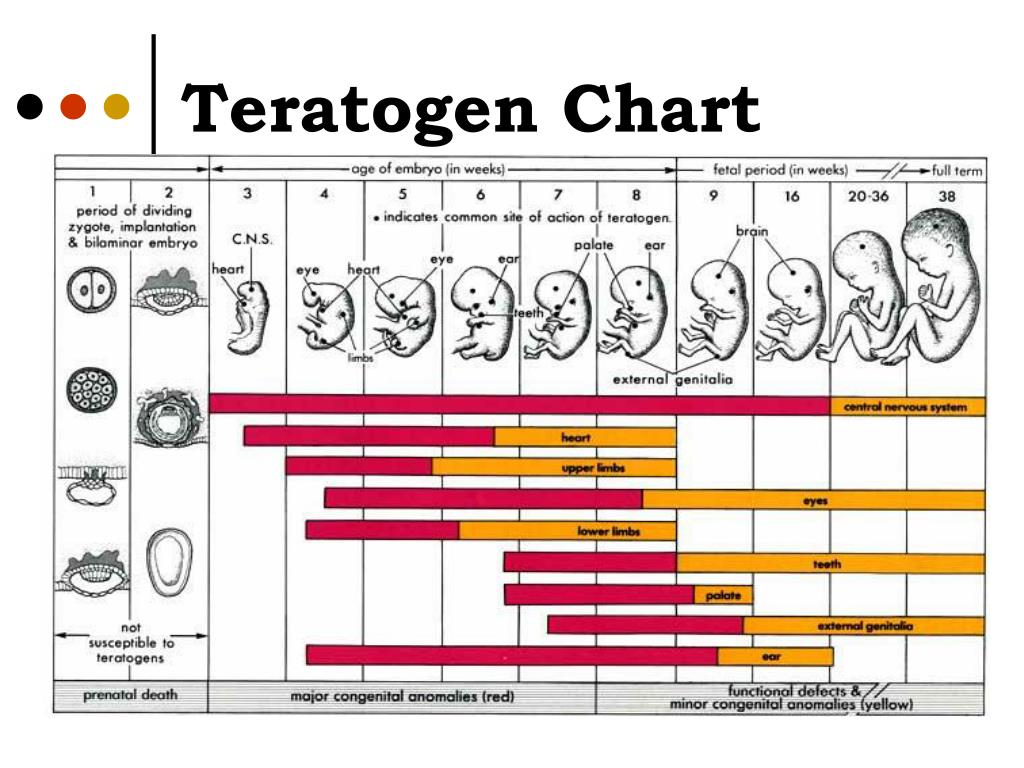
During The Embryonic Period Of Pregnancy Teratogens - There are billions of potential. Once the fertilized egg is attached to the uterus, the mother and the embryo share a blood supply. Teratogens are drugs, chemicals, or even infections that can cause abnormal fetal development. During the first two weeks of gestation, teratogenic agents usually kill the embryo rather than cause congenital malformations. The embryonic period, during which organogenesis takes place, occurs between implantation at around 14 days to around 60 days. Chemicals in the mother's blood can then affect.
There are billions of potential. Chemicals in the mother's blood can then affect. The embryonic period, during which organogenesis takes place, occurs between implantation at around 14 days to around 60 days. Teratogens are drugs, chemicals, or even infections that can cause abnormal fetal development. During the first two weeks of gestation, teratogenic agents usually kill the embryo rather than cause congenital malformations. Once the fertilized egg is attached to the uterus, the mother and the embryo share a blood supply.
Once the fertilized egg is attached to the uterus, the mother and the embryo share a blood supply. The embryonic period, during which organogenesis takes place, occurs between implantation at around 14 days to around 60 days. There are billions of potential. Teratogens are drugs, chemicals, or even infections that can cause abnormal fetal development. During the first two weeks of gestation, teratogenic agents usually kill the embryo rather than cause congenital malformations. Chemicals in the mother's blood can then affect.
PPT Prenatal Development and Birth PowerPoint Presentation, free
During the first two weeks of gestation, teratogenic agents usually kill the embryo rather than cause congenital malformations. The embryonic period, during which organogenesis takes place, occurs between implantation at around 14 days to around 60 days. Chemicals in the mother's blood can then affect. There are billions of potential. Teratogens are drugs, chemicals, or even infections that can cause.

Pregnancy Introduction Medicines Learning Portal
The embryonic period, during which organogenesis takes place, occurs between implantation at around 14 days to around 60 days. Teratogens are drugs, chemicals, or even infections that can cause abnormal fetal development. Chemicals in the mother's blood can then affect. There are billions of potential. During the first two weeks of gestation, teratogenic agents usually kill the embryo rather than.
AND PRENATAL DEVELOPMENT ppt download
There are billions of potential. Once the fertilized egg is attached to the uterus, the mother and the embryo share a blood supply. Teratogens are drugs, chemicals, or even infections that can cause abnormal fetal development. During the first two weeks of gestation, teratogenic agents usually kill the embryo rather than cause congenital malformations. Chemicals in the mother's blood can.

Human Birth Defects Clinical Tree
The embryonic period, during which organogenesis takes place, occurs between implantation at around 14 days to around 60 days. During the first two weeks of gestation, teratogenic agents usually kill the embryo rather than cause congenital malformations. Chemicals in the mother's blood can then affect. Once the fertilized egg is attached to the uterus, the mother and the embryo share.
PPT Prenatal Development PowerPoint Presentation ID5669847
Teratogens are drugs, chemicals, or even infections that can cause abnormal fetal development. The embryonic period, during which organogenesis takes place, occurs between implantation at around 14 days to around 60 days. Chemicals in the mother's blood can then affect. During the first two weeks of gestation, teratogenic agents usually kill the embryo rather than cause congenital malformations. Once the.
PPT Teratogen PowerPoint Presentation, free download ID6380176
During the first two weeks of gestation, teratogenic agents usually kill the embryo rather than cause congenital malformations. Teratogens are drugs, chemicals, or even infections that can cause abnormal fetal development. The embryonic period, during which organogenesis takes place, occurs between implantation at around 14 days to around 60 days. Chemicals in the mother's blood can then affect. There are.

Teratogen What Is It, Examples, and More Osmosis
During the first two weeks of gestation, teratogenic agents usually kill the embryo rather than cause congenital malformations. Teratogens are drugs, chemicals, or even infections that can cause abnormal fetal development. Chemicals in the mother's blood can then affect. There are billions of potential. Once the fertilized egg is attached to the uterus, the mother and the embryo share a.
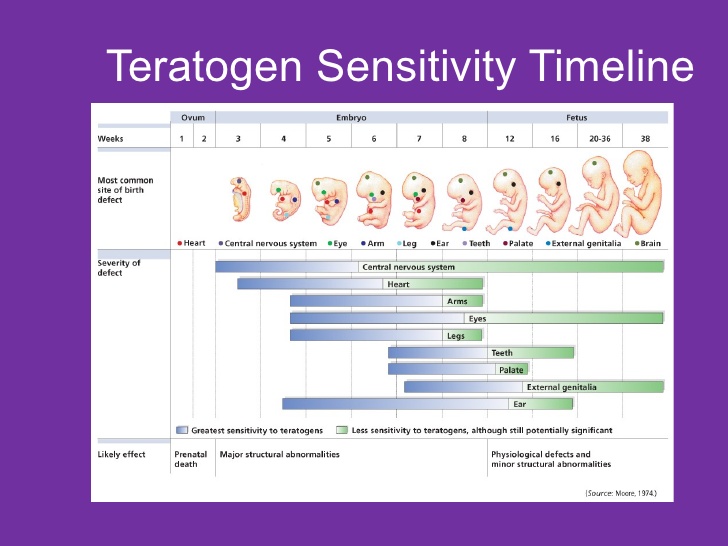
Beginnings Human Development
Teratogens are drugs, chemicals, or even infections that can cause abnormal fetal development. During the first two weeks of gestation, teratogenic agents usually kill the embryo rather than cause congenital malformations. Once the fertilized egg is attached to the uterus, the mother and the embryo share a blood supply. Chemicals in the mother's blood can then affect. The embryonic period,.
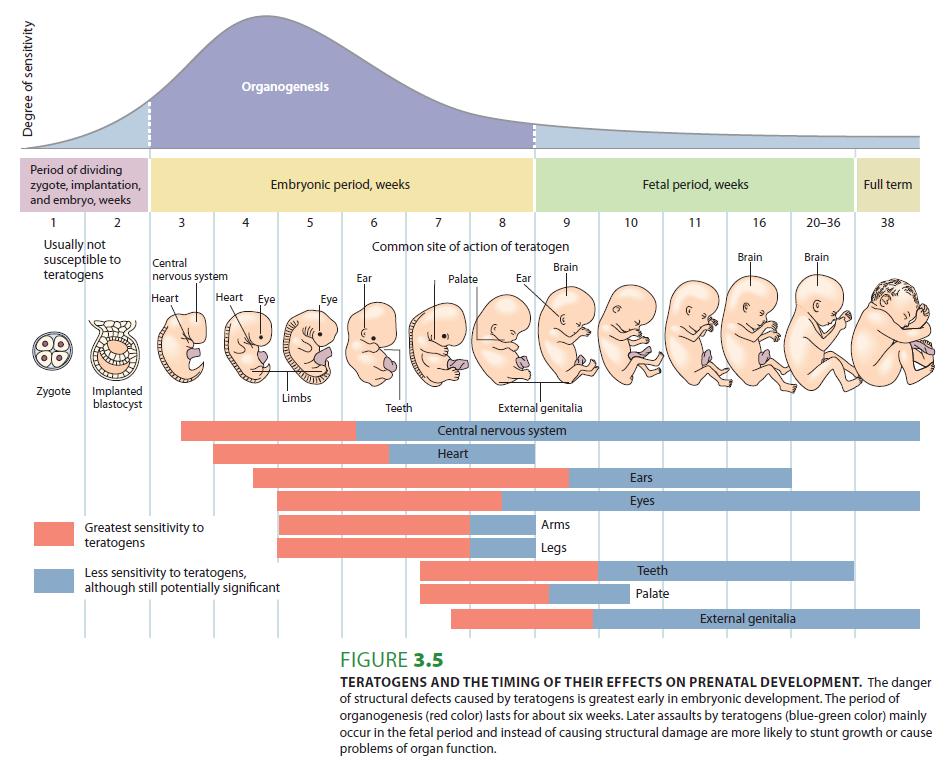
Fertility & Pregnancy Expecting Parents
During the first two weeks of gestation, teratogenic agents usually kill the embryo rather than cause congenital malformations. Teratogens are drugs, chemicals, or even infections that can cause abnormal fetal development. Once the fertilized egg is attached to the uterus, the mother and the embryo share a blood supply. There are billions of potential. The embryonic period, during which organogenesis.
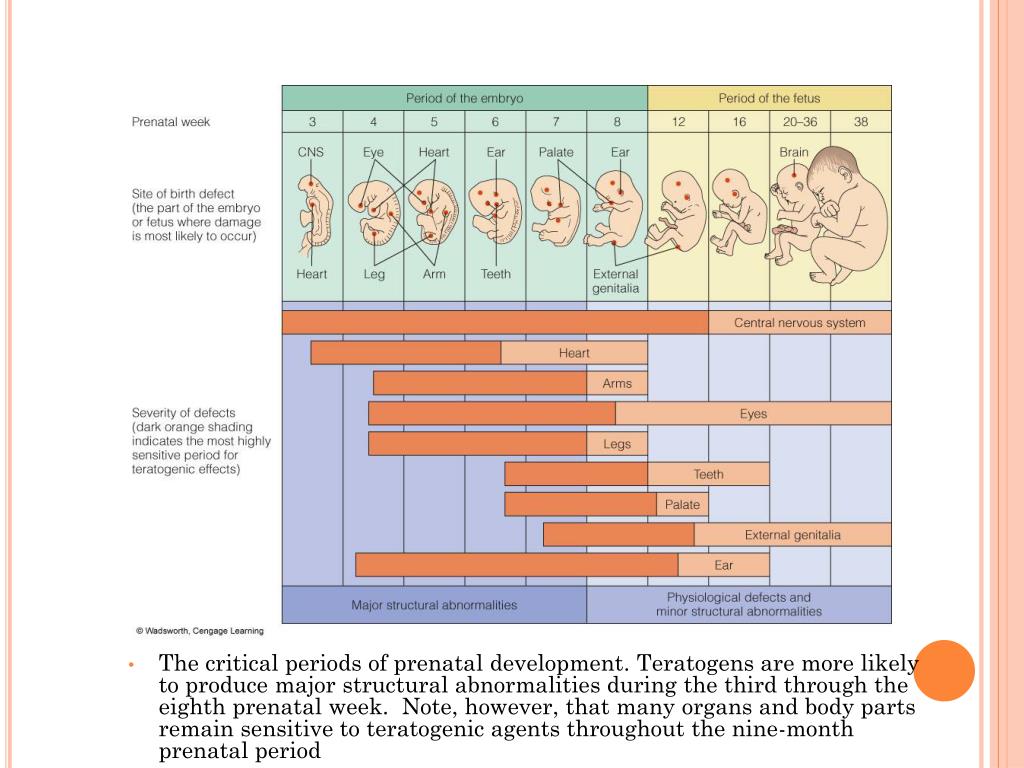
PPT CHAPTER 4 PRENATAL DEVELOPMENT AND BIRTH PowerPoint Presentation
The embryonic period, during which organogenesis takes place, occurs between implantation at around 14 days to around 60 days. Once the fertilized egg is attached to the uterus, the mother and the embryo share a blood supply. Teratogens are drugs, chemicals, or even infections that can cause abnormal fetal development. During the first two weeks of gestation, teratogenic agents usually.
There Are Billions Of Potential.
Once the fertilized egg is attached to the uterus, the mother and the embryo share a blood supply. Teratogens are drugs, chemicals, or even infections that can cause abnormal fetal development. During the first two weeks of gestation, teratogenic agents usually kill the embryo rather than cause congenital malformations. The embryonic period, during which organogenesis takes place, occurs between implantation at around 14 days to around 60 days.