Criminal Discharge - Discharge in criminal law refers to a legal outcome where a defendant is found guilty of an offense but is not subject to a traditional. Discharge, within the realm of criminal justice, means releasing an individual from custody, detention, or supervision. Conceptually, the biggest difference between a deferred prosecution and a conditional discharge is when the defendant undertakes the. A conditional discharge is when the accused pleads guilty or is found guilty but instead of a judgment being entered by the.
Discharge, within the realm of criminal justice, means releasing an individual from custody, detention, or supervision. Conceptually, the biggest difference between a deferred prosecution and a conditional discharge is when the defendant undertakes the. Discharge in criminal law refers to a legal outcome where a defendant is found guilty of an offense but is not subject to a traditional. A conditional discharge is when the accused pleads guilty or is found guilty but instead of a judgment being entered by the.
Conceptually, the biggest difference between a deferred prosecution and a conditional discharge is when the defendant undertakes the. A conditional discharge is when the accused pleads guilty or is found guilty but instead of a judgment being entered by the. Discharge, within the realm of criminal justice, means releasing an individual from custody, detention, or supervision. Discharge in criminal law refers to a legal outcome where a defendant is found guilty of an offense but is not subject to a traditional.

Conditional Discharge for Criminal Offences in England Understanding
Discharge, within the realm of criminal justice, means releasing an individual from custody, detention, or supervision. A conditional discharge is when the accused pleads guilty or is found guilty but instead of a judgment being entered by the. Conceptually, the biggest difference between a deferred prosecution and a conditional discharge is when the defendant undertakes the. Discharge in criminal law.

Motion To Discharge Accused As State Witness PDF Criminal Procedure
Discharge in criminal law refers to a legal outcome where a defendant is found guilty of an offense but is not subject to a traditional. Conceptually, the biggest difference between a deferred prosecution and a conditional discharge is when the defendant undertakes the. A conditional discharge is when the accused pleads guilty or is found guilty but instead of a.

What is an Absolute Discharge? Wilson Criminal Defence
Discharge in criminal law refers to a legal outcome where a defendant is found guilty of an offense but is not subject to a traditional. Discharge, within the realm of criminal justice, means releasing an individual from custody, detention, or supervision. Conceptually, the biggest difference between a deferred prosecution and a conditional discharge is when the defendant undertakes the. A.

When can an accused be discharged from Criminal liability? LAW
Conceptually, the biggest difference between a deferred prosecution and a conditional discharge is when the defendant undertakes the. Discharge, within the realm of criminal justice, means releasing an individual from custody, detention, or supervision. A conditional discharge is when the accused pleads guilty or is found guilty but instead of a judgment being entered by the. Discharge in criminal law.

What is a Conditional Discharge? — Charlotte Criminal Lawyer Blog
Discharge in criminal law refers to a legal outcome where a defendant is found guilty of an offense but is not subject to a traditional. A conditional discharge is when the accused pleads guilty or is found guilty but instead of a judgment being entered by the. Discharge, within the realm of criminal justice, means releasing an individual from custody,.

DISCHARGE OF ACCUSED IN CRIMINAL CASE Siddharth Jain & Co.
Discharge in criminal law refers to a legal outcome where a defendant is found guilty of an offense but is not subject to a traditional. A conditional discharge is when the accused pleads guilty or is found guilty but instead of a judgment being entered by the. Discharge, within the realm of criminal justice, means releasing an individual from custody,.
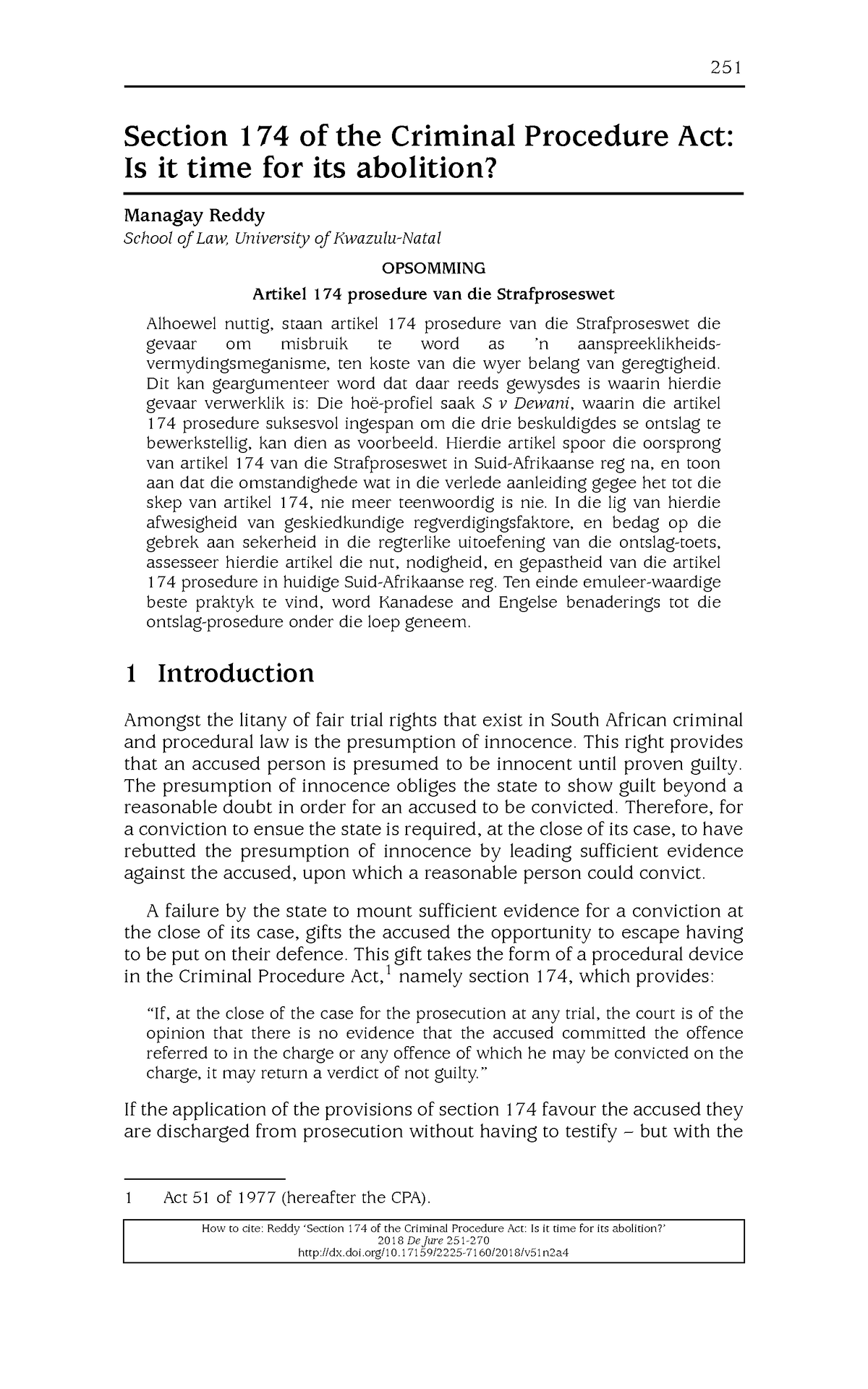
Section 174 Discharge 251 Section 174 of the Criminal Procedure Act
A conditional discharge is when the accused pleads guilty or is found guilty but instead of a judgment being entered by the. Discharge in criminal law refers to a legal outcome where a defendant is found guilty of an offense but is not subject to a traditional. Conceptually, the biggest difference between a deferred prosecution and a conditional discharge is.

Application for Discharge of the Accused Ashish Kumar in a Drug
Discharge, within the realm of criminal justice, means releasing an individual from custody, detention, or supervision. A conditional discharge is when the accused pleads guilty or is found guilty but instead of a judgment being entered by the. Discharge in criminal law refers to a legal outcome where a defendant is found guilty of an offense but is not subject.

Firearm Reckless Discharge Chicago Criminal Defense Attorney
A conditional discharge is when the accused pleads guilty or is found guilty but instead of a judgment being entered by the. Discharge, within the realm of criminal justice, means releasing an individual from custody, detention, or supervision. Conceptually, the biggest difference between a deferred prosecution and a conditional discharge is when the defendant undertakes the. Discharge in criminal law.
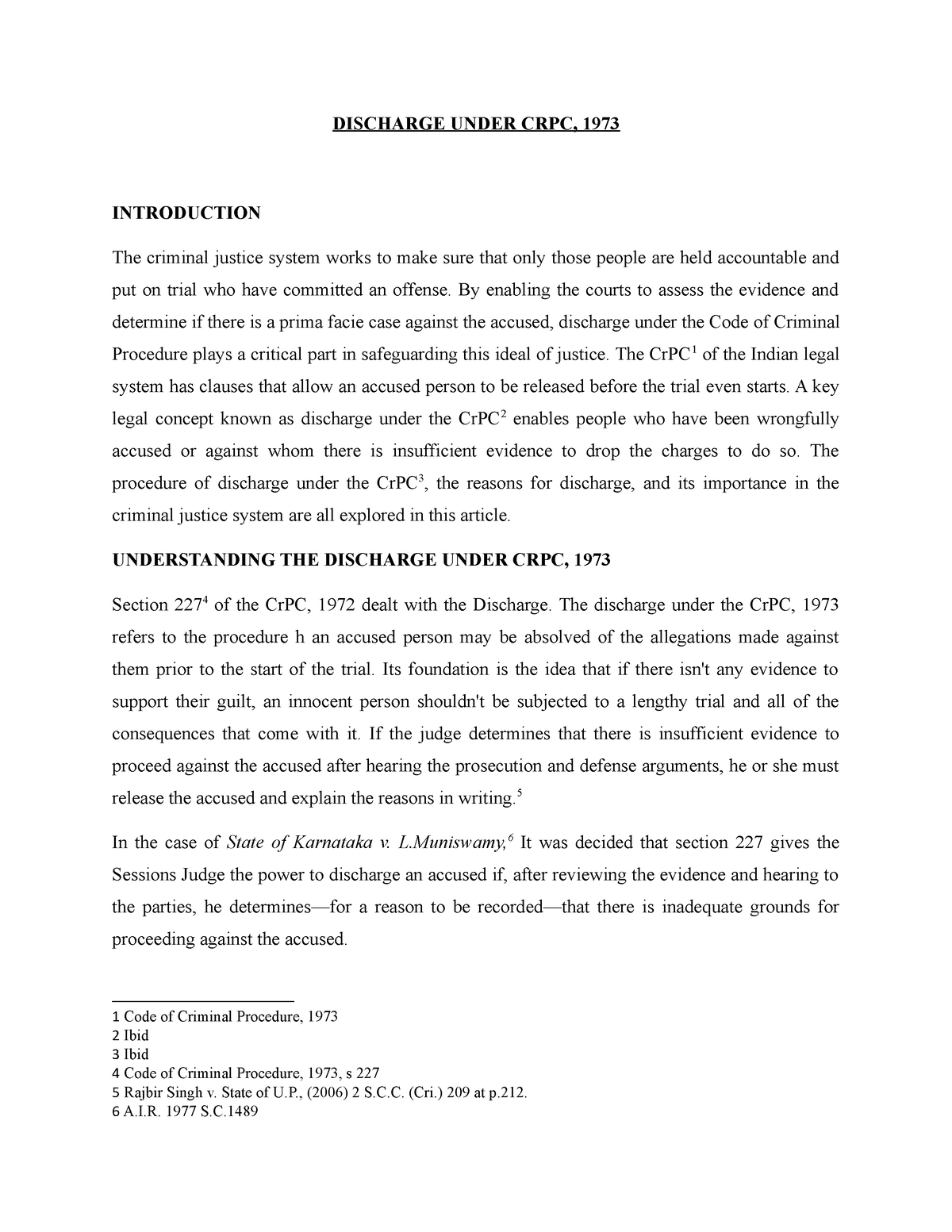
Discharge Under THE CODE OF Criminal Procedure DISCHARGE UNDER CRPC
A conditional discharge is when the accused pleads guilty or is found guilty but instead of a judgment being entered by the. Discharge in criminal law refers to a legal outcome where a defendant is found guilty of an offense but is not subject to a traditional. Discharge, within the realm of criminal justice, means releasing an individual from custody,.
Discharge, Within The Realm Of Criminal Justice, Means Releasing An Individual From Custody, Detention, Or Supervision.
Discharge in criminal law refers to a legal outcome where a defendant is found guilty of an offense but is not subject to a traditional. A conditional discharge is when the accused pleads guilty or is found guilty but instead of a judgment being entered by the. Conceptually, the biggest difference between a deferred prosecution and a conditional discharge is when the defendant undertakes the.