Caffeine And Ovulation - Therefore, we conducted this study to systematically. Yes, high caffeine intake may negatively impact women’s fertility. For example, caffeine has been linked to lower circulating levels of total and free testosterone, a lower frequency of sporadic. Caffeine is an adenosine receptor antagonist that may influence fertility by affecting ovulation, menstrual characteristics, or sperm quality. Does caffeine affect fertility in women? In summary, determining the relationship between caffeine intake and infertility is crucial.
Does caffeine affect fertility in women? In summary, determining the relationship between caffeine intake and infertility is crucial. For example, caffeine has been linked to lower circulating levels of total and free testosterone, a lower frequency of sporadic. Therefore, we conducted this study to systematically. Yes, high caffeine intake may negatively impact women’s fertility. Caffeine is an adenosine receptor antagonist that may influence fertility by affecting ovulation, menstrual characteristics, or sperm quality.
Yes, high caffeine intake may negatively impact women’s fertility. Does caffeine affect fertility in women? Caffeine is an adenosine receptor antagonist that may influence fertility by affecting ovulation, menstrual characteristics, or sperm quality. For example, caffeine has been linked to lower circulating levels of total and free testosterone, a lower frequency of sporadic. Therefore, we conducted this study to systematically. In summary, determining the relationship between caffeine intake and infertility is crucial.

Cycle Syncing The Beginner's Guide to Adapting Your Food and Exercise
For example, caffeine has been linked to lower circulating levels of total and free testosterone, a lower frequency of sporadic. Yes, high caffeine intake may negatively impact women’s fertility. In summary, determining the relationship between caffeine intake and infertility is crucial. Therefore, we conducted this study to systematically. Does caffeine affect fertility in women?

Risk of anovulation* according to caffeine Intake, California Women's
In summary, determining the relationship between caffeine intake and infertility is crucial. Does caffeine affect fertility in women? Yes, high caffeine intake may negatively impact women’s fertility. For example, caffeine has been linked to lower circulating levels of total and free testosterone, a lower frequency of sporadic. Caffeine is an adenosine receptor antagonist that may influence fertility by affecting ovulation,.

Havintha Ovulation Enhancer Tea Caffeine Free Buy packet of 50.0 gm
In summary, determining the relationship between caffeine intake and infertility is crucial. For example, caffeine has been linked to lower circulating levels of total and free testosterone, a lower frequency of sporadic. Does caffeine affect fertility in women? Therefore, we conducted this study to systematically. Caffeine is an adenosine receptor antagonist that may influence fertility by affecting ovulation, menstrual characteristics,.

How Does Caffeine Give Us Energy? Tufts Now
Caffeine is an adenosine receptor antagonist that may influence fertility by affecting ovulation, menstrual characteristics, or sperm quality. Does caffeine affect fertility in women? Yes, high caffeine intake may negatively impact women’s fertility. Therefore, we conducted this study to systematically. For example, caffeine has been linked to lower circulating levels of total and free testosterone, a lower frequency of sporadic.

Caffeine 200mg 200tabs.
Yes, high caffeine intake may negatively impact women’s fertility. Therefore, we conducted this study to systematically. Caffeine is an adenosine receptor antagonist that may influence fertility by affecting ovulation, menstrual characteristics, or sperm quality. Does caffeine affect fertility in women? For example, caffeine has been linked to lower circulating levels of total and free testosterone, a lower frequency of sporadic.

Treat Ovulation Pain 9 Best Home Remedies in 2022 Reviewed Home Remedies
In summary, determining the relationship between caffeine intake and infertility is crucial. For example, caffeine has been linked to lower circulating levels of total and free testosterone, a lower frequency of sporadic. Caffeine is an adenosine receptor antagonist that may influence fertility by affecting ovulation, menstrual characteristics, or sperm quality. Yes, high caffeine intake may negatively impact women’s fertility. Does.

5 Signs to Cut Back Caffeine While Breastfeeding Birth Eat Love
Yes, high caffeine intake may negatively impact women’s fertility. Caffeine is an adenosine receptor antagonist that may influence fertility by affecting ovulation, menstrual characteristics, or sperm quality. Therefore, we conducted this study to systematically. In summary, determining the relationship between caffeine intake and infertility is crucial. Does caffeine affect fertility in women?

Caffeine & Fertility
Therefore, we conducted this study to systematically. Yes, high caffeine intake may negatively impact women’s fertility. In summary, determining the relationship between caffeine intake and infertility is crucial. For example, caffeine has been linked to lower circulating levels of total and free testosterone, a lower frequency of sporadic. Does caffeine affect fertility in women?

How to Stop Using Caffeine (In 10 Days or Less) Power of Positivity
Therefore, we conducted this study to systematically. In summary, determining the relationship between caffeine intake and infertility is crucial. Caffeine is an adenosine receptor antagonist that may influence fertility by affecting ovulation, menstrual characteristics, or sperm quality. For example, caffeine has been linked to lower circulating levels of total and free testosterone, a lower frequency of sporadic. Yes, high caffeine.
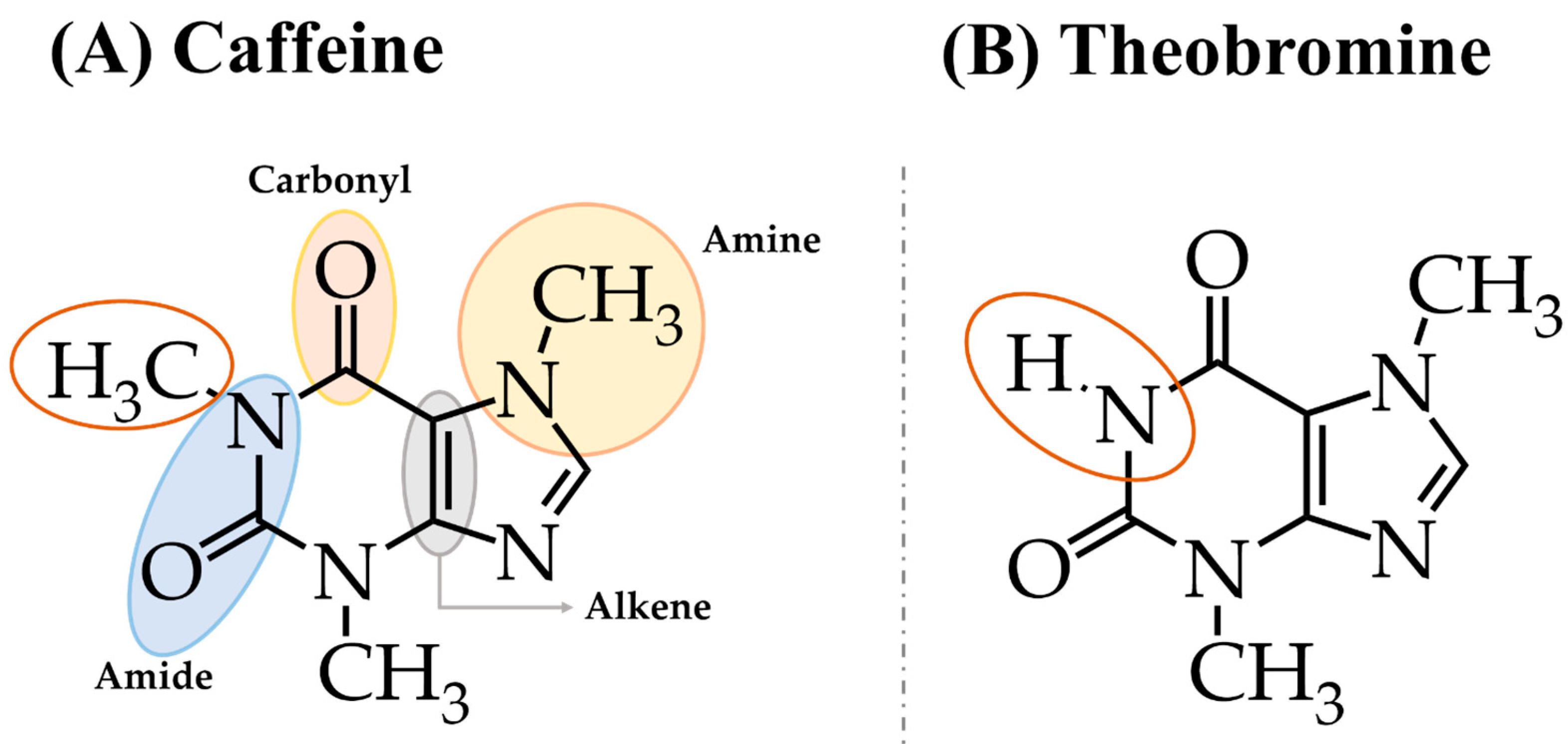
Overview of Caffeine Effects on Human Health and Emerging Delivery
For example, caffeine has been linked to lower circulating levels of total and free testosterone, a lower frequency of sporadic. Yes, high caffeine intake may negatively impact women’s fertility. Therefore, we conducted this study to systematically. Caffeine is an adenosine receptor antagonist that may influence fertility by affecting ovulation, menstrual characteristics, or sperm quality. Does caffeine affect fertility in women?
Therefore, We Conducted This Study To Systematically.
In summary, determining the relationship between caffeine intake and infertility is crucial. Does caffeine affect fertility in women? Caffeine is an adenosine receptor antagonist that may influence fertility by affecting ovulation, menstrual characteristics, or sperm quality. Yes, high caffeine intake may negatively impact women’s fertility.