Brown Discharge 4 Months After Giving Birth - The color change is reflective of the bleeding slowing down. It contains a mix of blood, mucus and uterine tissue. Lochia is the vaginal discharge you have after giving birth. It has a stale, musty odor like menstrual period discharge and can last several weeks. But what is not commonly talked about is the four to six weeks of postpartum bleeding and. (this postpartum bleeding phase is called lochia serosa.) by about 10 days after the birth, you may have only a small amount of white or. Many women continue to have a small gush of light bleeding a few times a day, especially while breastfeeding. Lochia can look like a typical menstrual period with. Lochia is heavy at first but. Around two to four days after you've given birth, the lochia may be more watery and pinkish.
Some women are relieved to not have a period for the duration of a pregnancy, and for at least the first few months of breastfeeding. During the first three to four days after delivery, vaginal discharge will be red and change to a brown color. (this postpartum bleeding phase is called lochia serosa.) by about 10 days after the birth, you may have only a small amount of white or. Around two to four days after you've given birth, the lochia may be more watery and pinkish. Lochia is heavy at first but. It contains a mix of blood, mucus and uterine tissue. Many women continue to have a small gush of light bleeding a few times a day, especially while breastfeeding. But what is not commonly talked about is the four to six weeks of postpartum bleeding and. The color change is reflective of the bleeding slowing down. It has a stale, musty odor like menstrual period discharge and can last several weeks.
Lochia is heavy at first but. It contains a mix of blood, mucus and uterine tissue. Lochia is the vaginal discharge you have after giving birth. During the first three to four days after delivery, vaginal discharge will be red and change to a brown color. But what is not commonly talked about is the four to six weeks of postpartum bleeding and. Around two to four days after you've given birth, the lochia may be more watery and pinkish. Many women continue to have a small gush of light bleeding a few times a day, especially while breastfeeding. It has a stale, musty odor like menstrual period discharge and can last several weeks. (this postpartum bleeding phase is called lochia serosa.) by about 10 days after the birth, you may have only a small amount of white or. The color change is reflective of the bleeding slowing down.

Brown discharge causes symptoms and treatment Artofit
During the first three to four days after delivery, vaginal discharge will be red and change to a brown color. Lochia is the vaginal discharge you have after giving birth. (this postpartum bleeding phase is called lochia serosa.) by about 10 days after the birth, you may have only a small amount of white or. Lochia can look like a.

Brown Discharge No Period. Dealing with unexpected changes in… by
Some women are relieved to not have a period for the duration of a pregnancy, and for at least the first few months of breastfeeding. The color change is reflective of the bleeding slowing down. During the first three to four days after delivery, vaginal discharge will be red and change to a brown color. Many women continue to have.

What Does Early Pregnancy Discharge Look Like Before Missed Period
It has a stale, musty odor like menstrual period discharge and can last several weeks. But what is not commonly talked about is the four to six weeks of postpartum bleeding and. Around two to four days after you've given birth, the lochia may be more watery and pinkish. The color change is reflective of the bleeding slowing down. Lochia.

Is Brown Mucus Considered A Period at Harvey Robertson blog
During the first three to four days after delivery, vaginal discharge will be red and change to a brown color. The color change is reflective of the bleeding slowing down. It has a stale, musty odor like menstrual period discharge and can last several weeks. Lochia is the vaginal discharge you have after giving birth. But what is not commonly.

Pin on Grooming
Lochia is heavy at first but. Some women are relieved to not have a period for the duration of a pregnancy, and for at least the first few months of breastfeeding. During the first three to four days after delivery, vaginal discharge will be red and change to a brown color. Around two to four days after you've given birth,.

Brown Discharge Pictures Of Spotting During Pregnancy Implantation
Many women continue to have a small gush of light bleeding a few times a day, especially while breastfeeding. Lochia can look like a typical menstrual period with. (this postpartum bleeding phase is called lochia serosa.) by about 10 days after the birth, you may have only a small amount of white or. Some women are relieved to not have.
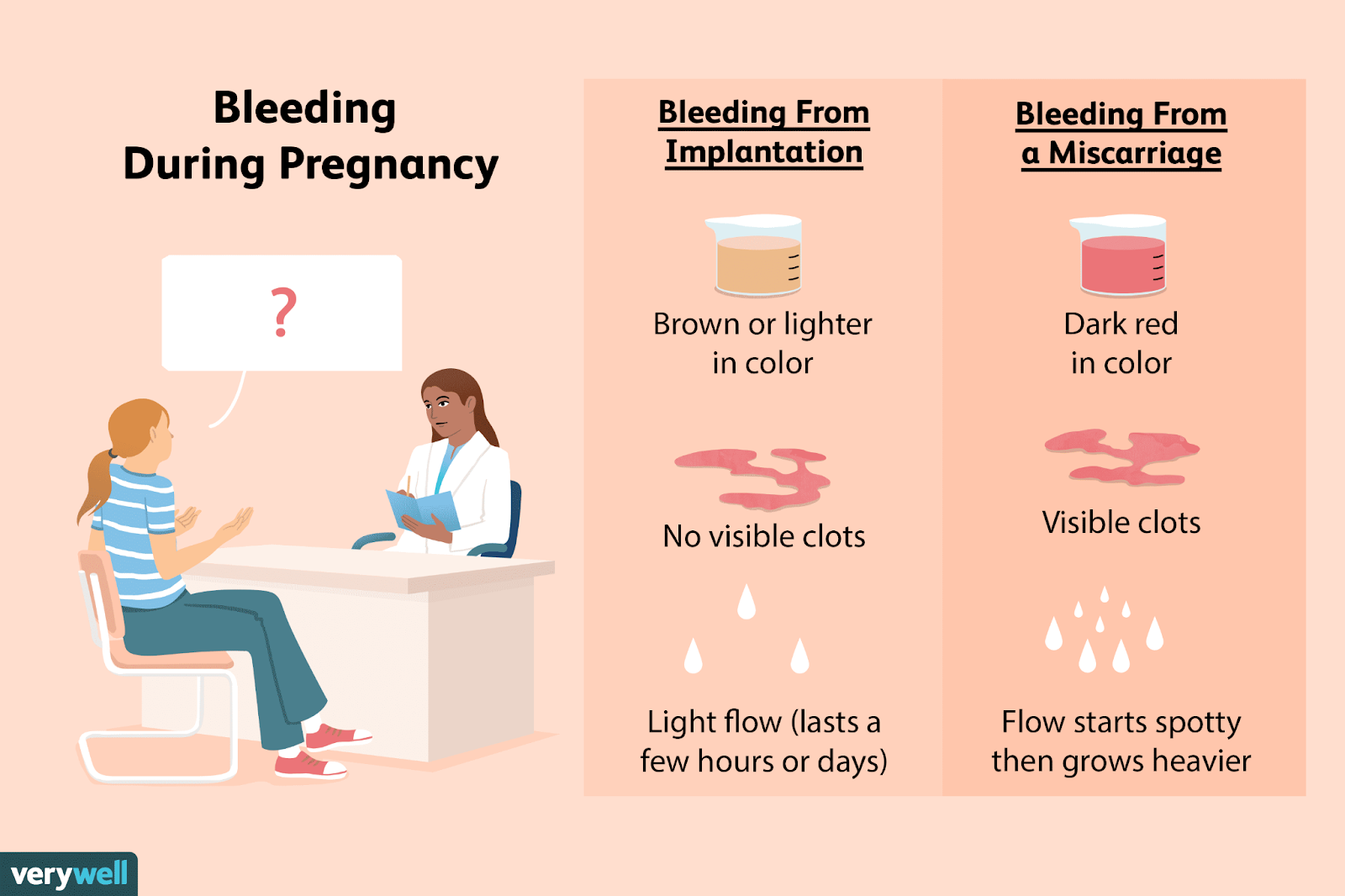
How to Stop Brown Discharge During Pregnancy? What to Do?
Around two to four days after you've given birth, the lochia may be more watery and pinkish. The color change is reflective of the bleeding slowing down. Lochia is the vaginal discharge you have after giving birth. It has a stale, musty odor like menstrual period discharge and can last several weeks. It contains a mix of blood, mucus and.

Brown discharge 8 weeks 4 days BabyCenter
It contains a mix of blood, mucus and uterine tissue. Many women continue to have a small gush of light bleeding a few times a day, especially while breastfeeding. It has a stale, musty odor like menstrual period discharge and can last several weeks. Lochia is the vaginal discharge you have after giving birth. Lochia is heavy at first but.

Brown Discharge In Early Pregnancy (Hindi) Brown Discharge During
Many women continue to have a small gush of light bleeding a few times a day, especially while breastfeeding. (this postpartum bleeding phase is called lochia serosa.) by about 10 days after the birth, you may have only a small amount of white or. Lochia is the vaginal discharge you have after giving birth. The color change is reflective of.
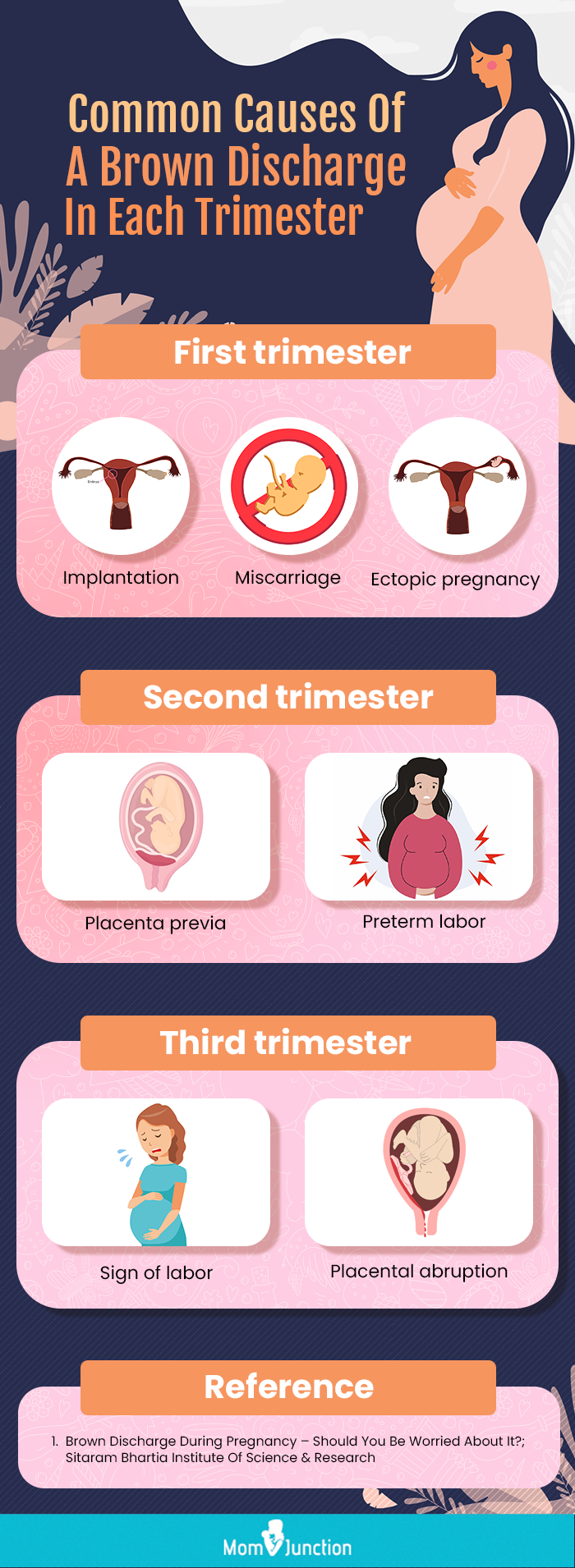
Plantation Vacant Wrap pink and brown spotting Vague velvet mint
Many women continue to have a small gush of light bleeding a few times a day, especially while breastfeeding. (this postpartum bleeding phase is called lochia serosa.) by about 10 days after the birth, you may have only a small amount of white or. It has a stale, musty odor like menstrual period discharge and can last several weeks. During.
Lochia Is The Vaginal Discharge You Have After Giving Birth.
Around two to four days after you've given birth, the lochia may be more watery and pinkish. The color change is reflective of the bleeding slowing down. But what is not commonly talked about is the four to six weeks of postpartum bleeding and. Lochia can look like a typical menstrual period with.
(This Postpartum Bleeding Phase Is Called Lochia Serosa.) By About 10 Days After The Birth, You May Have Only A Small Amount Of White Or.
Lochia is heavy at first but. It has a stale, musty odor like menstrual period discharge and can last several weeks. Many women continue to have a small gush of light bleeding a few times a day, especially while breastfeeding. During the first three to four days after delivery, vaginal discharge will be red and change to a brown color.
Some Women Are Relieved To Not Have A Period For The Duration Of A Pregnancy, And For At Least The First Few Months Of Breastfeeding.
It contains a mix of blood, mucus and uterine tissue.