Bbt Ovulation Dip - Implantation dip is a decrease in bbt by at least 0.3 degrees that occurs about a week after ovulation, roughly around the time of implantation, or the point at which a. Your bbt fluctuates in response to several factors, but hormones like estrogen and. Before ovulation, your bbt may range from about 97 to 98 degrees f (97.2 to 97.7 degrees f, to be more exact). Detecting ovulation with bbt charting is relatively easy, noninvasive, and. Basal body temperature is a noninvasive, inexpensive, and simple measure that can be used to track fertile periods for those trying to conceive or avoid pregnancy. Bbt relies on charting daily temperature and noticing. But the day after you ovulate, you should see an uptick of 0.5 to 1.0. What's a normal basal body temperature? Your basal body temperature, or bbt, is the range of numbers you see on your thermometer throughout the day when you are at rest. You can use a basal body temperature (bbt) chart to conceive faster by determining your most fertile days.
But the day after you ovulate, you should see an uptick of 0.5 to 1.0. Before ovulation, your bbt may range from about 97 to 98 degrees f (97.2 to 97.7 degrees f, to be more exact). Your bbt fluctuates in response to several factors, but hormones like estrogen and. Implantation dip is a decrease in bbt by at least 0.3 degrees that occurs about a week after ovulation, roughly around the time of implantation, or the point at which a. Basal body temperature is a noninvasive, inexpensive, and simple measure that can be used to track fertile periods for those trying to conceive or avoid pregnancy. Detecting ovulation with bbt charting is relatively easy, noninvasive, and. You can use a basal body temperature (bbt) chart to conceive faster by determining your most fertile days. Your basal body temperature, or bbt, is the range of numbers you see on your thermometer throughout the day when you are at rest. What's a normal basal body temperature? Bbt relies on charting daily temperature and noticing.
Detecting ovulation with bbt charting is relatively easy, noninvasive, and. Implantation dip is a decrease in bbt by at least 0.3 degrees that occurs about a week after ovulation, roughly around the time of implantation, or the point at which a. Basal body temperature is a noninvasive, inexpensive, and simple measure that can be used to track fertile periods for those trying to conceive or avoid pregnancy. Your basal body temperature, or bbt, is the range of numbers you see on your thermometer throughout the day when you are at rest. What's a normal basal body temperature? But the day after you ovulate, you should see an uptick of 0.5 to 1.0. Your bbt fluctuates in response to several factors, but hormones like estrogen and. Before ovulation, your bbt may range from about 97 to 98 degrees f (97.2 to 97.7 degrees f, to be more exact). You can use a basal body temperature (bbt) chart to conceive faster by determining your most fertile days. Bbt relies on charting daily temperature and noticing.
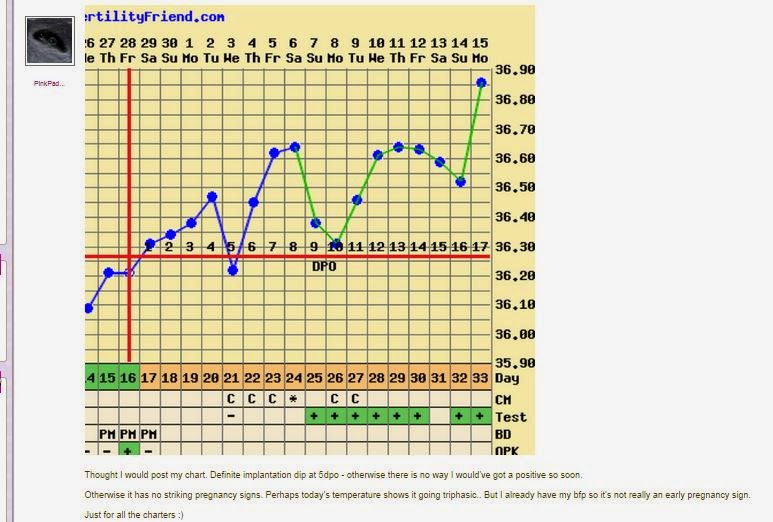
Implantation Dips & Raised BBT
Before ovulation, your bbt may range from about 97 to 98 degrees f (97.2 to 97.7 degrees f, to be more exact). Detecting ovulation with bbt charting is relatively easy, noninvasive, and. Your bbt fluctuates in response to several factors, but hormones like estrogen and. Your basal body temperature, or bbt, is the range of numbers you see on your.

Learn the Basics Behind Basal Body Temperature (BBT) Glow Community
Bbt relies on charting daily temperature and noticing. What's a normal basal body temperature? Before ovulation, your bbt may range from about 97 to 98 degrees f (97.2 to 97.7 degrees f, to be more exact). Basal body temperature is a noninvasive, inexpensive, and simple measure that can be used to track fertile periods for those trying to conceive or.

BBT dip after ovulation BabyCenter
But the day after you ovulate, you should see an uptick of 0.5 to 1.0. Before ovulation, your bbt may range from about 97 to 98 degrees f (97.2 to 97.7 degrees f, to be more exact). Detecting ovulation with bbt charting is relatively easy, noninvasive, and. Basal body temperature is a noninvasive, inexpensive, and simple measure that can be.
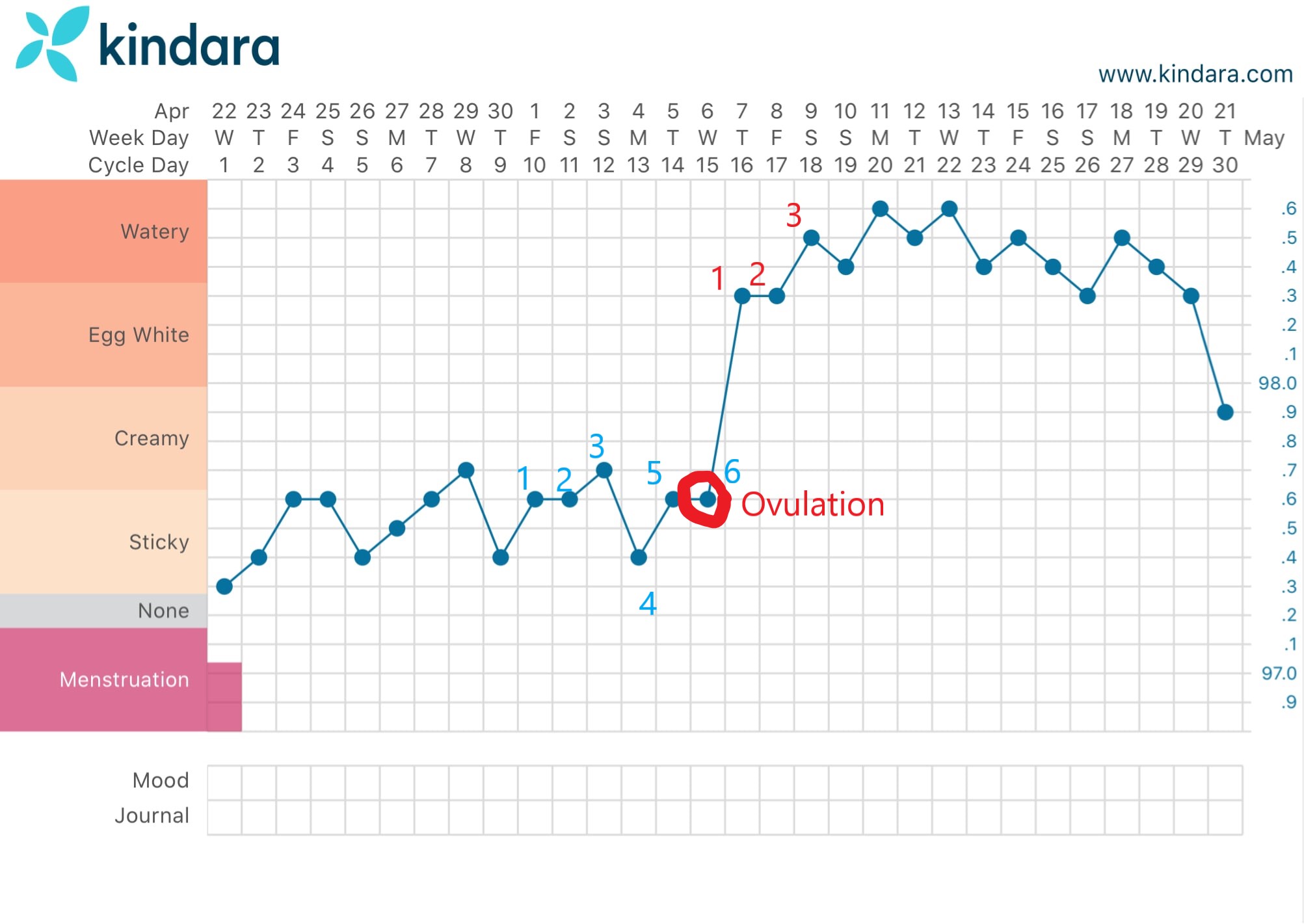
BBT Charting Top 10 Questions about Basal Body Temperatures
What's a normal basal body temperature? Before ovulation, your bbt may range from about 97 to 98 degrees f (97.2 to 97.7 degrees f, to be more exact). Your bbt fluctuates in response to several factors, but hormones like estrogen and. Bbt relies on charting daily temperature and noticing. Your basal body temperature, or bbt, is the range of numbers.
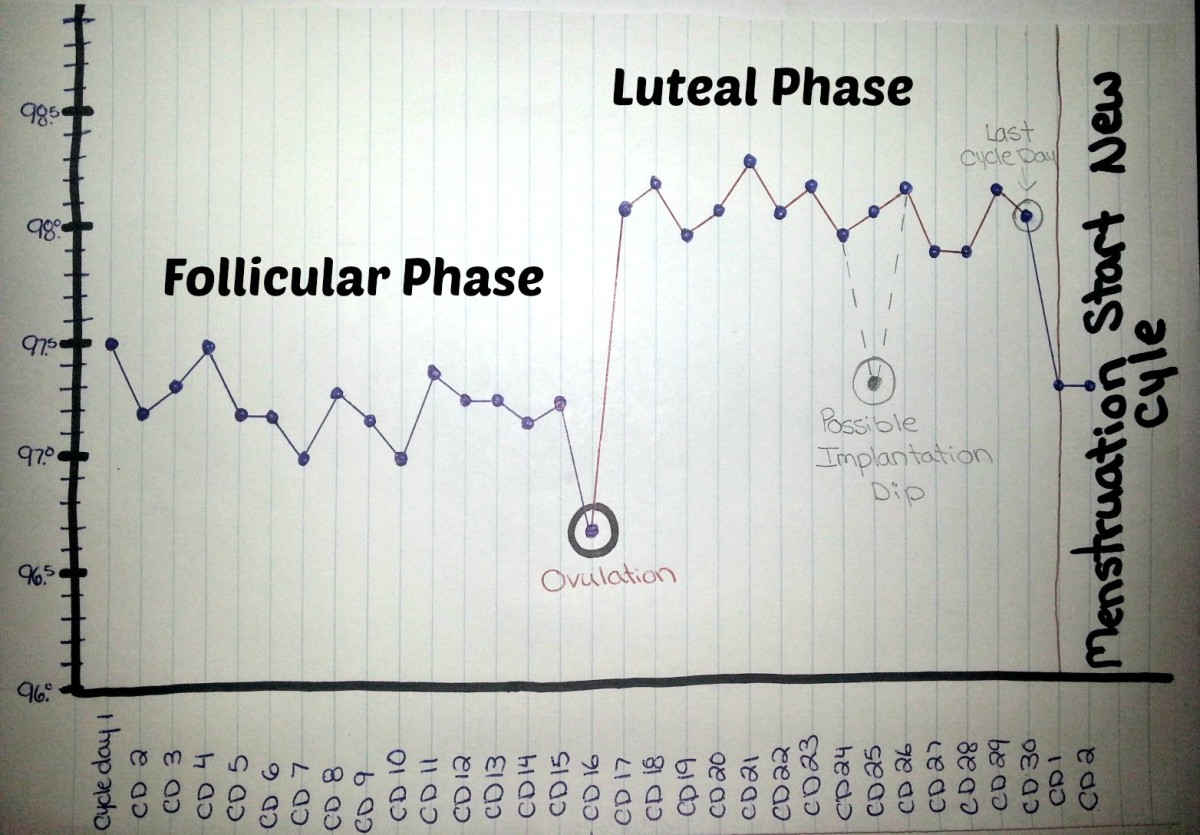
How to Chart Basal Body Temperature WeHaveKids
But the day after you ovulate, you should see an uptick of 0.5 to 1.0. You can use a basal body temperature (bbt) chart to conceive faster by determining your most fertile days. Detecting ovulation with bbt charting is relatively easy, noninvasive, and. Before ovulation, your bbt may range from about 97 to 98 degrees f (97.2 to 97.7 degrees.

BBT Chart Basal Body Temperature Chart BBT Chart For Ovulation
Before ovulation, your bbt may range from about 97 to 98 degrees f (97.2 to 97.7 degrees f, to be more exact). Your basal body temperature, or bbt, is the range of numbers you see on your thermometer throughout the day when you are at rest. Implantation dip is a decrease in bbt by at least 0.3 degrees that occurs.

Early Pregnancy Bbt Chart Implantation Dip
Basal body temperature is a noninvasive, inexpensive, and simple measure that can be used to track fertile periods for those trying to conceive or avoid pregnancy. But the day after you ovulate, you should see an uptick of 0.5 to 1.0. Before ovulation, your bbt may range from about 97 to 98 degrees f (97.2 to 97.7 degrees f, to.
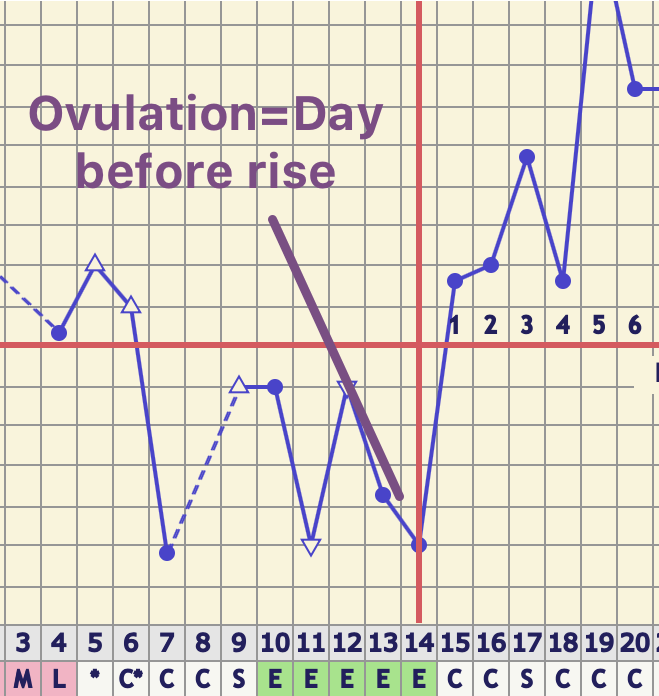
How To Detect Ovulation On Bbt Chart Chart Walls
Detecting ovulation with bbt charting is relatively easy, noninvasive, and. You can use a basal body temperature (bbt) chart to conceive faster by determining your most fertile days. Basal body temperature is a noninvasive, inexpensive, and simple measure that can be used to track fertile periods for those trying to conceive or avoid pregnancy. Implantation dip is a decrease in.
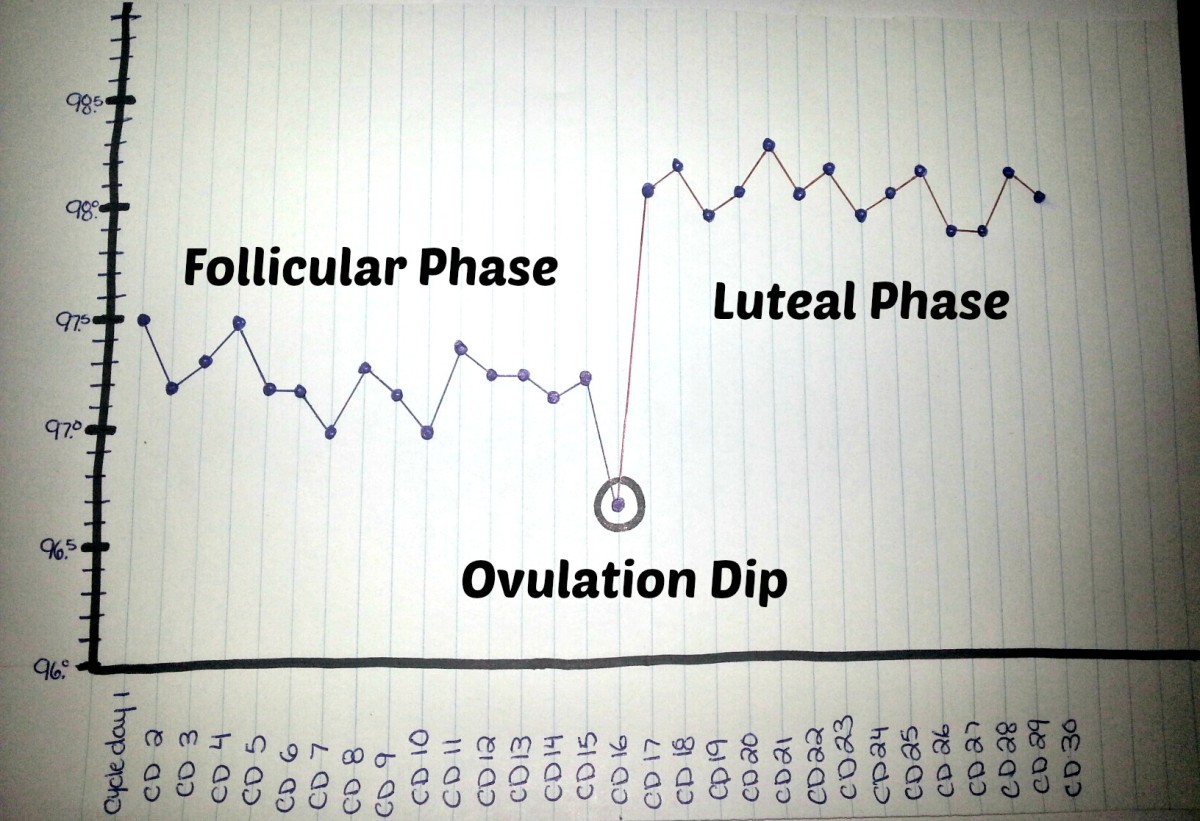
How to Chart Basal Body Temperature WeHaveKids
You can use a basal body temperature (bbt) chart to conceive faster by determining your most fertile days. Your basal body temperature, or bbt, is the range of numbers you see on your thermometer throughout the day when you are at rest. Basal body temperature is a noninvasive, inexpensive, and simple measure that can be used to track fertile periods.

How To Detect Ovulation On Bbt Chart Chart Walls
Detecting ovulation with bbt charting is relatively easy, noninvasive, and. Your basal body temperature, or bbt, is the range of numbers you see on your thermometer throughout the day when you are at rest. Before ovulation, your bbt may range from about 97 to 98 degrees f (97.2 to 97.7 degrees f, to be more exact). You can use a.
Before Ovulation, Your Bbt May Range From About 97 To 98 Degrees F (97.2 To 97.7 Degrees F, To Be More Exact).
Implantation dip is a decrease in bbt by at least 0.3 degrees that occurs about a week after ovulation, roughly around the time of implantation, or the point at which a. Detecting ovulation with bbt charting is relatively easy, noninvasive, and. Your bbt fluctuates in response to several factors, but hormones like estrogen and. Bbt relies on charting daily temperature and noticing.
But The Day After You Ovulate, You Should See An Uptick Of 0.5 To 1.0.
You can use a basal body temperature (bbt) chart to conceive faster by determining your most fertile days. Basal body temperature is a noninvasive, inexpensive, and simple measure that can be used to track fertile periods for those trying to conceive or avoid pregnancy. Your basal body temperature, or bbt, is the range of numbers you see on your thermometer throughout the day when you are at rest. What's a normal basal body temperature?