3 Month Old With Eye Discharge - Eye discharge often occurs due to a blocked tear duct, allergies or a viral infection — which can usually be treated at home. Eye discharge in toddlers and babies is common and usually harmless. Signs that your baby’s eye discharge may be a concern include redness, swelling, and yellow or green discharge. Sticky eye discharge in newborns is very common. Common causes of baby eye discharge include bacterial or viral infections, blocked tear ducts, and irritants such as dust or smoke. Eye discharge is a common problem for toddlers, who may touch their eyes with dirty hands, spreading irritants, viruses, and bacteria. Seek medical attention for your baby’s eye discharge if it persists for more than a few days or is. The discharge usually gets better with. Identifying the type of eye discharge is important in determining the cause and.
Seek medical attention for your baby’s eye discharge if it persists for more than a few days or is. Sticky eye discharge in newborns is very common. Common causes of baby eye discharge include bacterial or viral infections, blocked tear ducts, and irritants such as dust or smoke. Eye discharge often occurs due to a blocked tear duct, allergies or a viral infection — which can usually be treated at home. Eye discharge in toddlers and babies is common and usually harmless. Identifying the type of eye discharge is important in determining the cause and. Eye discharge is a common problem for toddlers, who may touch their eyes with dirty hands, spreading irritants, viruses, and bacteria. The discharge usually gets better with. Signs that your baby’s eye discharge may be a concern include redness, swelling, and yellow or green discharge.
Seek medical attention for your baby’s eye discharge if it persists for more than a few days or is. Eye discharge in toddlers and babies is common and usually harmless. Identifying the type of eye discharge is important in determining the cause and. Eye discharge is a common problem for toddlers, who may touch their eyes with dirty hands, spreading irritants, viruses, and bacteria. Signs that your baby’s eye discharge may be a concern include redness, swelling, and yellow or green discharge. Sticky eye discharge in newborns is very common. Eye discharge often occurs due to a blocked tear duct, allergies or a viral infection — which can usually be treated at home. The discharge usually gets better with. Common causes of baby eye discharge include bacterial or viral infections, blocked tear ducts, and irritants such as dust or smoke.

Baby Woke Up With Crusty Eye Hot Sale
Seek medical attention for your baby’s eye discharge if it persists for more than a few days or is. Sticky eye discharge in newborns is very common. Eye discharge in toddlers and babies is common and usually harmless. Eye discharge often occurs due to a blocked tear duct, allergies or a viral infection — which can usually be treated at.
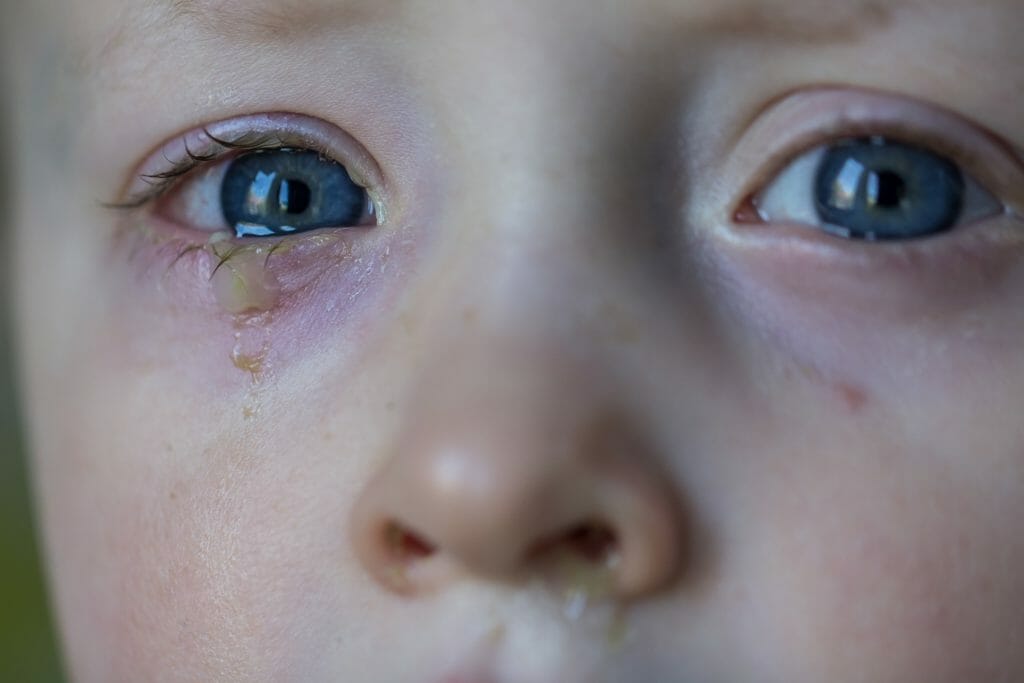
When Should I Take My Baby to the Doctor for Eye Discharge? TheraLife
Eye discharge in toddlers and babies is common and usually harmless. Eye discharge is a common problem for toddlers, who may touch their eyes with dirty hands, spreading irritants, viruses, and bacteria. Eye discharge often occurs due to a blocked tear duct, allergies or a viral infection — which can usually be treated at home. Seek medical attention for your.
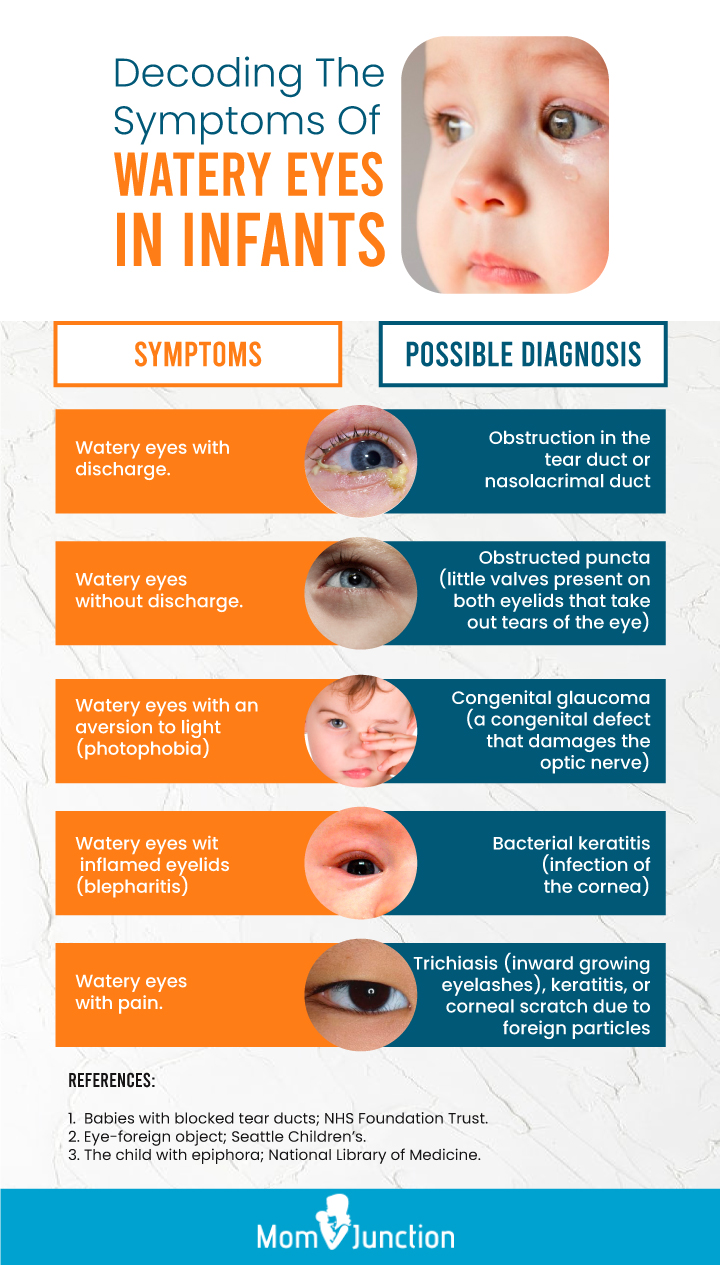
Eye Infection Baby
Signs that your baby’s eye discharge may be a concern include redness, swelling, and yellow or green discharge. The discharge usually gets better with. Common causes of baby eye discharge include bacterial or viral infections, blocked tear ducts, and irritants such as dust or smoke. Identifying the type of eye discharge is important in determining the cause and. Sticky eye.
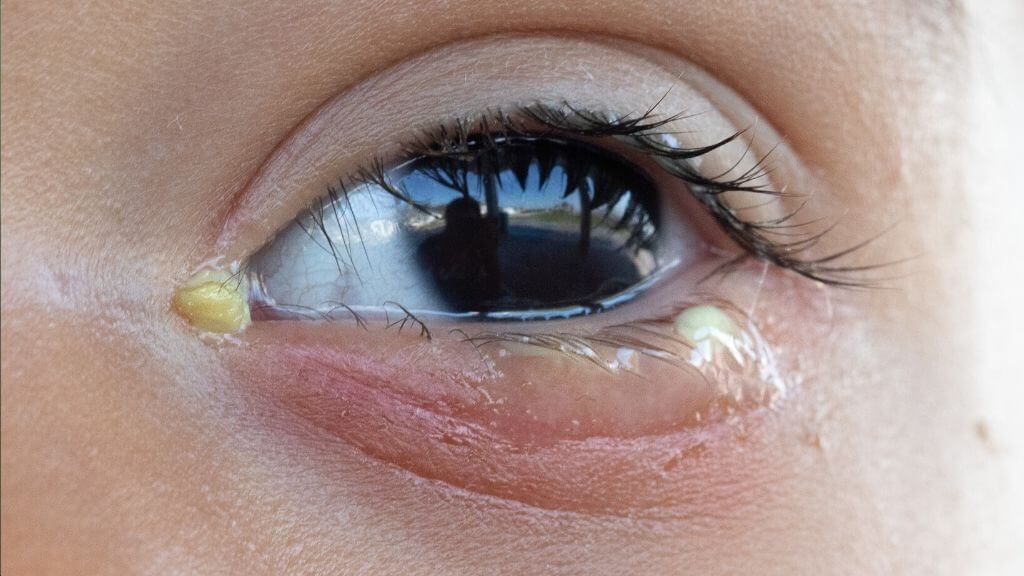
Eye Discharge Causes, Associated Conditions, and Treatments 1MD
Eye discharge often occurs due to a blocked tear duct, allergies or a viral infection — which can usually be treated at home. Seek medical attention for your baby’s eye discharge if it persists for more than a few days or is. Common causes of baby eye discharge include bacterial or viral infections, blocked tear ducts, and irritants such as.
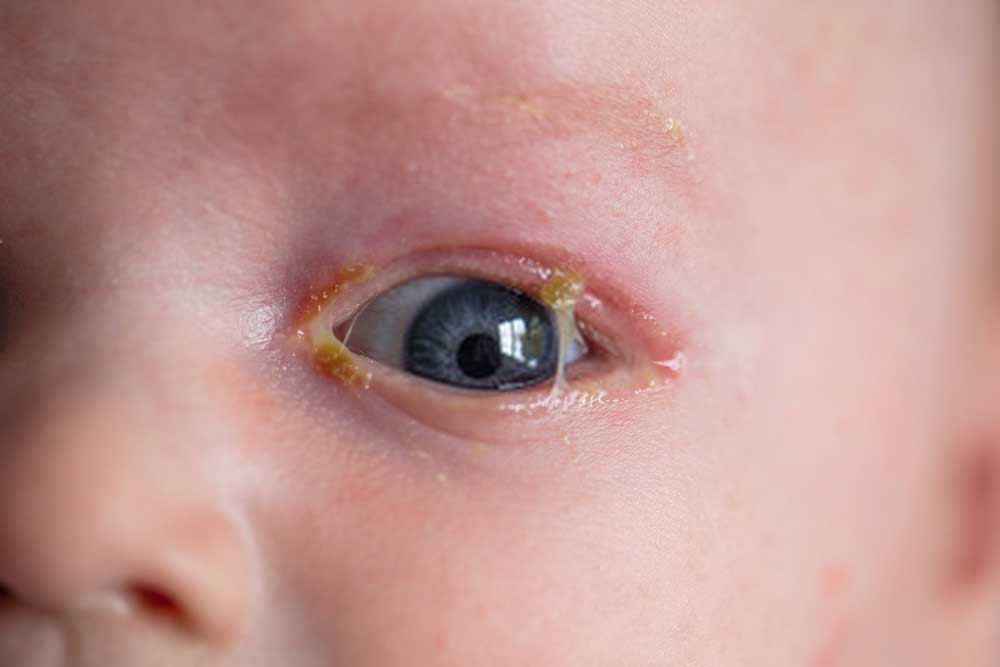
Baby Eyes With Tears
Sticky eye discharge in newborns is very common. Signs that your baby’s eye discharge may be a concern include redness, swelling, and yellow or green discharge. Eye discharge is a common problem for toddlers, who may touch their eyes with dirty hands, spreading irritants, viruses, and bacteria. Identifying the type of eye discharge is important in determining the cause and..

Understanding the Gunk in my Eyes Causes, Types and Treatments
Eye discharge often occurs due to a blocked tear duct, allergies or a viral infection — which can usually be treated at home. Seek medical attention for your baby’s eye discharge if it persists for more than a few days or is. Sticky eye discharge in newborns is very common. Eye discharge in toddlers and babies is common and usually.

2 Week Old Baby Eye Discharge
Eye discharge often occurs due to a blocked tear duct, allergies or a viral infection — which can usually be treated at home. Eye discharge is a common problem for toddlers, who may touch their eyes with dirty hands, spreading irritants, viruses, and bacteria. Identifying the type of eye discharge is important in determining the cause and. Eye discharge in.

Conjunctivitis Baby
Eye discharge is a common problem for toddlers, who may touch their eyes with dirty hands, spreading irritants, viruses, and bacteria. Eye discharge in toddlers and babies is common and usually harmless. Sticky eye discharge in newborns is very common. Signs that your baby’s eye discharge may be a concern include redness, swelling, and yellow or green discharge. Common causes.

Eye discharge in a toddler Causes and treatments
Eye discharge in toddlers and babies is common and usually harmless. Seek medical attention for your baby’s eye discharge if it persists for more than a few days or is. Eye discharge often occurs due to a blocked tear duct, allergies or a viral infection — which can usually be treated at home. Signs that your baby’s eye discharge may.

Allergic Conjunctivitis Stringy Discharge
Common causes of baby eye discharge include bacterial or viral infections, blocked tear ducts, and irritants such as dust or smoke. Sticky eye discharge in newborns is very common. Identifying the type of eye discharge is important in determining the cause and. Eye discharge is a common problem for toddlers, who may touch their eyes with dirty hands, spreading irritants,.
Signs That Your Baby’s Eye Discharge May Be A Concern Include Redness, Swelling, And Yellow Or Green Discharge.
Common causes of baby eye discharge include bacterial or viral infections, blocked tear ducts, and irritants such as dust or smoke. Sticky eye discharge in newborns is very common. Eye discharge often occurs due to a blocked tear duct, allergies or a viral infection — which can usually be treated at home. Eye discharge in toddlers and babies is common and usually harmless.
Identifying The Type Of Eye Discharge Is Important In Determining The Cause And.
The discharge usually gets better with. Eye discharge is a common problem for toddlers, who may touch their eyes with dirty hands, spreading irritants, viruses, and bacteria. Seek medical attention for your baby’s eye discharge if it persists for more than a few days or is.